
How to Get Rid of Dark Spots & Pigmentation Naturally (2026)

Introduction

Have you ever woken up in the morning and looked in the mirror to find dark spots on your face? You are asking yourself when this occurred? They can be quite stubborn whether it’s the scars of old pimples or pigmentation caused by sun exposure. Hyperpigmentation is a medical term for when your skin makes too much melanin.

The best part is that this isn’t a serious disease and can be cured with timely and proper care at home.

Why natural? This is because many people initially prefer not to use chemical peel creams. Many kitchen ingredients are gentler on the skin and less expensive to buy. Remember, this isn’t a magic fix, but if you use it consistently and correctly, you’ll definitely see results.

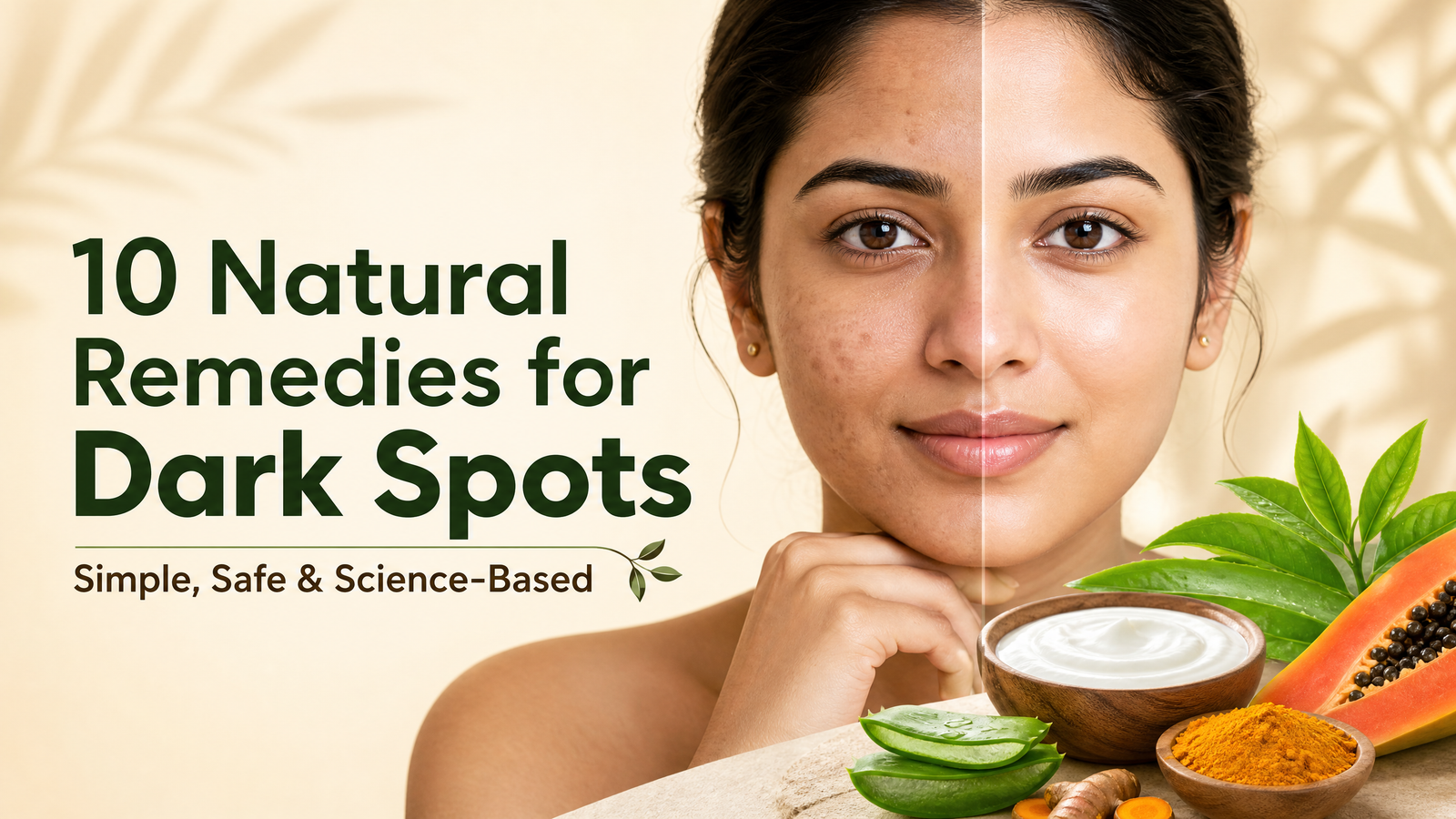
Q young lady with dark spots on her face and confidently smiling

Understand the real causes of dark spots

Before removing dark spots, it’s important to understand the underlying cause. How they suddenly appear. If you simply treat them without addressing the underlying cause, they will never go away, but will only worsen.

1. External Cause

Sun Exposure

Our skin produces a natural barrier to protect itself from the sun, known as melanin. We use sunscreen to protect against the harmful rays of the sun. When we forget to apply it, our skin increases melanin production, which then leads to Brown spots form on the affected area.

Pimples or Injuries (PIH)

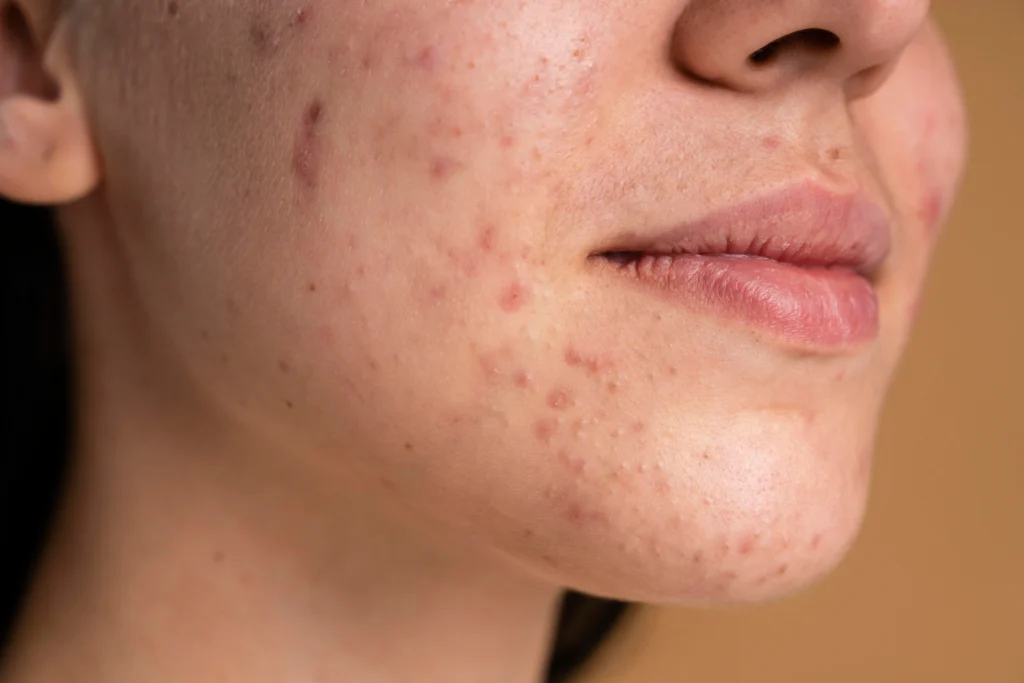
I’ve encountered many pimple marks or bruises. Whenever a pimple pops or gets injured, a dark spot forms at that spot. This is called post-inflammatory hyperpigmentation (PIH). Any injury, burn, or stubborn acne on the skin can affect melanin. Be careful not to pick at acne with your hands; this can lead to even darker spots.

2. Internal Factors

  • Hormones (Melasma): This is often caused by pregnancy or birth control pills. It causes large, symmetrical patches to form on the face.
  • Diabetes and Insulin: This is a point that very few people know. Sometimes the skin around the neck or joints becomes dark and “velvety.” This could be a sign of insulin imbalance in the body. If you notice such skin along with spots, it’s not just the effect of sun exposure.

3. Myth Buster: “Doesn’t sun exposure harm in winter?

I used to think this is the biggest mistake people make but when I started practicing skincare, I learned that I should use sunscreen even at home. Pigmentation can happen anywhere and in every kind of weather, cold, hot or otherwise, so make sure you protect yourself.

Read more: How to Layer Skincare Products Correctly: A Complete Order-Wise Guide

Type of SpotPrimary CauseCommon Locations
SunspotsUV Exposure / Sun DamageFace, Hands, Shoulders
Post-Acne (PIH)Pimples, Scars, or Skin InjuriesAnywhere acne or injury occurred
MelasmaHormonal Changes (Pregnancy/Pills)Cheeks, Forehead, Upper Lip
Acanthosis NigricansInsulin Resistance / DiabetesNeck, Armpits, Skin Folds/Joints

Golden Rules of Prevention

If you want to prevent dark spots from appearing instead of treating them, you need to follow these two rules. This will do half the work.

1. Sun Protection: Beyond just SPF.

You don’t have to use sunscreen only in bright sunlight. Let me tell you some sunscreen rules that can be a game changer.

  • Broad spectrum is a must. Always go for sunscreen with SPF 30+ These are effective against UVB and UVA.
  • The “Tinted” Secret: For Indian skin tones, tinted sunscreens (containing iron oxide) are the best. This not only safeguards you from the sun, but also from the blue light emitted from your phone and laptop which is a major cause of pigmentation.
  • Reapply as needed: If you are outdoors, apply sunscreen again every 2-3 hours.

2. “Don’t Pick” Policy

This sounds simple, but it’s the hardest to follow. Whenever we pick at a pimple or injury, we increase skin inflammation. This makes the spot even darker and more stubborn. This happened to me exactly, so avoid touching pimples as much as possible.

Practical Tips:

  • Pimple Patches: If you’re prone to picking at pimples, use pimple patches. They cover the spot and get your hands out of the way.”
  • Hands-Off Rule: No touching your face, period. “On our hands we have bacteria that cause inflammation.

Read more: After Comparing 50+ Moisturizers, These 12 Are the Best for Sensitive Skin

15 Science-Based Natural Remedies

Natural remedies aren’t magic, but science shows they contain compounds that help control the production of melanin in our skin. Here are some easy-to-find remedies.

Potatoes: A Powerhouse of Enzymes

Potatoes from dark spots

Potatoes contain an enzyme called ketakole. Research suggests this enzyme helps brighten skin and lighten dark spots.

How to use: Take a potato, grate it coarsely with a grater, and extract the juice. Apply this juice to your face with a cotton ball.

I tried this personally. The dark spots on my face are quite severe. I’ve reduced my skin tone. I take a potato, cut it into slices, and rub it on my face for 2 minutes before going to bed.

In the morning, I rinse my face with normal water. You can also wash it off after 15 to 20 minutes if you want.

2. Red Onion (Red Onion) — Melanin Blocker

Red Onion for dark spots

Why: Onion extract (Allium cepa) has been shown to be effective in blocking melanin production. It contains antioxidants that help heal the skin.

How to use: Extract the juice of a red onion and mix it with a little water (since it’s quite strong). Apply it directly to the spots, leave it on for 10 minutes, and then rinse.

3. Turmeric — Anti-inflammatory Hero

Turmeric for dark spots

Why: Turmeric contains curcumin. It not only reduces inflammation but also prevents the formation of melanin. That’s why it’s been used in Indian skincare for centuries.

How to use: Mix a pinch of turmeric with yogurt or rose water to form a paste. Leave on for 15 minutes and then rinse.

(Note: Too much turmeric can cause skin peeling.)

If you have burning sensation, immediately clean your face; however, this does not suit my face, so be careful.

4. Milk and Yogurt — Natural Exfoliator

Milk and curd exfoliation for dark spots

Why: They contain lactic acid, a natural alpha hydroxy acid (AHA). It removes dead skin layers, revealing clearer skin underneath.

How to use: Apply plain yogurt to your face as a mask, or apply raw milk with a cotton ball. After 20 minutes, massage gently and rinse off. This is also a great remedy; it can be used even if your skin is dry. It provides natural hydration and removes dead cells.

5. Red Lentils – Skin Cleansing
Red lentils for dark spot

Why: Red lentils are rich in antioxidants. They deeply cleanse the skin and help reduce pigmentation.

How to use: Soak lentils overnight and grind them. Mix them with a little milk and use them as a scrub. Leave it on for 15 minutes and then rinse off.

6. Aloe Vera Gel
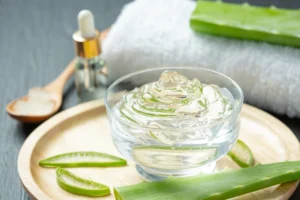
Aloe vera gel for dark spots

Research has shown that aloe vera contains a natural compound called alosin. It reduces hyperpigmentation and melanin.

How to Use:

  1. Fresh aloe vera leaves or commercially available gel will work. Use leaf-based homemade aloe vera.
  2. Apply it to the area where you have dark spots.
  3. Leave it on for 20 to 30 minutes and let it soak in so the skin can absorb it properly.
  4. Rinse your face thoroughly with plain water.

7. Papaya
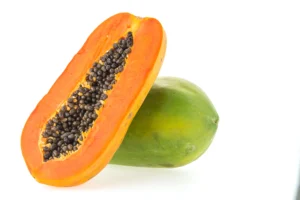
Papaya for dark spots

Papaya contains an enzyme called papain and natural fruit acids. These exfoliate the skin, removing dead skin cells and promoting the formation of new skin. Make it

How to use it

  1. Take ripe papaya and mash it well into a paste.
  2. Apply this paste to your face like a mask.
  3. When it begins to dry (about 15-20 minutes), massage it in gently and wash it off.
  4. Tip: If your skin is dry, add a little honey.

8. Tomatoes

Red tomatoes for dark spots

Tomatoes contain lycopene, a powerful antioxidant. A 2011 study suggests that lycopene protects skin from sun damage, a major cause of pigmentation.

(I also used: When I discovered tomatoes work for pigmentation, I immediately started using them. I used to get dark redness on my cheeks and chest due to sunburn, so I started using them and it gives good results.)

How to use it:

  1. Extract tomato juice or the thick inner part.
  2. Take a cotton ball and apply it to dark spots. Then wash it off after 15 minutes.

9. Licorice Root
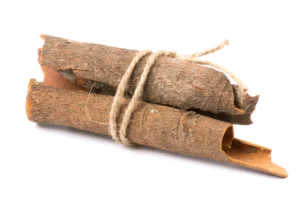
Licorice root for dark spots

Licorice root extract contains glabridin. Anecdotal evidence and some studies suggest that glabridin may be as effective as hydroquinone (a chemical agent) in lightening skin, but without the side effects.

Follow these steps:

  1. Mix licorice powder with a little yogurt or honey to form a paste.
  2. Apply only to the affected area. 3. Wash off after 15-20 minutes

10. Green Tea

Green tea for dark spots

Green Tea Extract As Healthline also reported, a 2018 study suggests that green tea may have a depigmenting effect.

It contains polyphenols that reduce skin irritation and inflammation.

Follow these steps:

  1. Soak a green tea bag in hot water for 3-5 minutes.
  2. Remove the tea bag and let it cool (no skin burn!).
  3. Rub the cooled tea bag on the dark spots.
  4. Repeat twice for better results.

11. Mulberry Extract (Mulberry): Natural Brightener

Mulberry for dark spots and pigmentation

Mulberry extract contains natural compounds that reduce excess melanin production and help fade dark spots. Research suggests it also manages pigmentation, and further studies are needed.

How to Use:

  1. Use a skincare product containing mulberry extract as directed.
  2. Apply a small amount to clean skin and perform a patch test before using on the face.
  3. Always wear sunscreen during the day, as sun exposure can deepen pigmentation.

Note: Homemade mulberry extract may not be as potent or protective as a properly prepared skincare product. Discontinue use if you notice irritation, itching, redness, or swelling.

12. Pomegranate

Pomegranate for dark spots or pigmentation

Pomegranate contains vitamins and polyphenols that regulate skin cells. Some research suggests that pomegranate extract can boost melanin production. It also reduces acne.

How to Use:

  1. Extract the juice from pomegranate seeds or powder the peels and use it.
  2. Apply the juice to painful spots with a cotton ball.
  3. Wash off after 15 minutes. This is very good for oily skin.

13. Cucumber

Cucumber for dark spots

If your skin is sensitive or starts to burn after using any other remedies, cucumber can be a great choice. It has a high water content and antioxidants that soothe and refresh the skin, and it also gradually reduces pigmentation.

How to Use:

  1. Cut cucumber slices into strips or extract the juice.
  2. Place the slices on the spot for 15 minutes or apply the juice with a cotton ball. Apply
  3. You can do this daily; it’s a very gentle remedy.
  4. If you want bright skin, cut a piece of rice, soak it in rice water, and apply it. It also brightens the skin.

14. Honey

Honey is a natural humectant, meaning it locks in moisture. It also has mild exfoliating properties that help remove dead skin cells. Follow these steps:

  1. Take raw honey and gently massage it onto blemishes.
  2. Leave on for 20 minutes.
  3. Wash off with lukewarm water. It’s a boon for dry skin.

15. Castor Oil
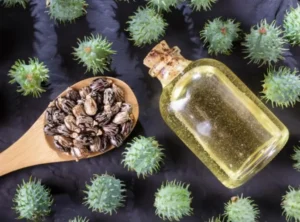
Castor oil for dark spots

Castor oil contains ricinoleic acid. Anecdotal evidence suggests that it’s very effective in lightening deep pigmentation and acne scars, especially if left on overnight.

How to use:

  1. Apply a few drops of castor oil to the affected area.
  2. Massage gently until the oil is absorbed.
  3. Leave it on overnight and wash it off in the morning.

Safety First: How to Use DIY Remedies Safely

If you think natural remedies are 100% effective, that’s not necessarily true. Sometimes even natural ingredients don’t work for everyone. Below, I’ve outlined some rules that must be followed.

The 24-hour patch test is the most important point.

Before trying any new remedy, perform a patch test. You can do this yourself. You apply the paste to the wrist or back of your hand. Wait 24 hours. If you experience any burning, redness, or any other problem, don’t use it. If this doesn’t happen, use it.

Warning

  • There are some things you should avoid applying directly to your face, such as lemon juice and apple cider vinegar.
  • You’ll find it written everywhere that they can be applied directly, but this is wrong.
  • They are acidic and can burn your skin. If you do, dilute them with water. It’s better to avoid risking them.

Our skin gives us beauty. Take care of it. Those with sensitive skin should avoid this.

Read more: 

When to Stop DIY and See a Professional

If you’ve been using remedies for 2-3 months and there’s no improvement, or if your spot falls under the ABCDE rule, see a doctor:

  • A (Asymmetry): The shape of the spot is oblong.
  • B (Border): The edges are not clear.
  • C (Color): Multiple colors are visible in a single spot.
  • D (Diameter): A spot larger than a pencil eraser.
  • E (Evolving): The color or size of the spot is changing rapidly.

Frequently Asked Questions (FAQs)

Q1Does a natural treatment permanently eliminate dark spots?

Yes, it absolutely can. If your spots are caused by sun exposure or pimples, they will lighten permanently with proper care, but if you don’t use protection or experience hormonal changes, they can return.

Q2. Fastest Treatment to Reduce Dark Spots

If you want fast results, you must use protection like sunscreen. Nothing without sunscreen will work, as it will restart melanin production.

Q3.Are the remedies mentioned safe for teenagers?

Yes, of course, yogurt, aloe vera, etc. are safe and mild for teenagers. However, painkillers like onion juice and vinegar should be avoided because their skin is very sensitive.

Q4.Can I use 2-3 remedies mixed together?

No, if you want to test which remedy is effective, use just one remedy. This method is best. Mixing all the ingredients together can risk burning the skin.

Q5.Is it okay to leave any treatment on overnight?

Hydrating ingredients like aloe vera or castor oil are completely safe to leave on overnight. Acidic foods like tomatoes, onions, or lentils should be washed off after 15-20 minutes.

Q6. How long does it take to see results?

Natural treatments work slower than chemical treatments. Mild scars may begin to fade in 6-8 weeks, but older pigmentation may take 3-6 months.

Q7. Are yogurt and milk good for all skin types?

Yes, lactic acid is very mild. It hydrates dry skin and clears the pores of oily skin. However, those with oily skin may find it better to use yogurt instead of raw milk.

Q8. Can pigmentation be genetic?

Yes, some people just have skin that produces more melanin. In such cases these remedies work but you have to be very careful about sun protection.

Q9. Can phone screens cause dark spots?

Yes! The blue light from phones and laptops can also increase pigmentation. So even if you are inside, it’s important to use a tinted sunblock (with iron oxide).

Q10. What if applying this remedy causes irritation?

Wash your face immediately in cool water and apply some aloe vera gel or moisturizer. This remedy is not for you. Always do a patch test before trying anything new.

Conclusion: Final Takeaway

If you’re thinking that dark spots are eternal, forget it. They do go away. Nothing is impossible. No ingredient gives instant results. We just need to be consistent and take proper care of ourselves daily. Sun protection is paramount. Give your skin time, treat it well, trust the research, and take care of your skin. Your skin is unique.

Read the above points carefully and use them carefully.

Author Bio and Disclaimer

About the Researcher

Let me tell you, I’m not a doctor, but I am a skincare content researcher. To write this content, I thoroughly read and understood 10+ top medical and dermatology sites, such as Healthline, Bupmed, etc.

It took me hours to do this so that I could provide you with the most accurate information possible, without you having to go back and forth to each site again and again, because by the time you’ve searched here and there, you’ll have the correct information.

Medical Disclaimer (Safety First!)

This post is for educational purposes only. Everyone’s skin is different. If you notice any unusual or painful spots, be sure to consult a professional dermatologist before trying home remedies. Safety always comes first!

Leave a Comment