
You have probably heard your mother or grandmother say — “Ek baar aloe laga lo, sab theek ho jaega.” And honestly? They were not entirely wrong.
Aloe vera has been called the “Plant of Immortality” since ancient Egyptian times — not because it sounds poetic, but because this simple desert plant genuinely does things for your skin that expensive products often fail to do. Cleopatra reportedly used it as part of her daily skincare. Thousands of years later, dermatologists still recommend it. That kind of staying power says something.
But here is the problem — most people in India either use it wrong, pick the wrong product, or give up too soon because they expect results in three days. If you have oily skin, live in a hot and humid city, deal with acne, pigmentation, or just want a natural glow without loading your face with chemicals — aloe vera might genuinely be the one ingredient your skincare routine is missing.
In this post you will learn:
- What aloe vera gel actually contains and why it works on skin
- Whether it is safe for daily use on your skin type
- All the proven benefits — acne, dark spots, oily skin, sunburn, glowing skin and more
- A unique section on how aloe vera should be used differently across Indian seasons
- Honest expectations — what it can do, and what it cannot
Let us get into it.
What is Aloe Vera Gel?
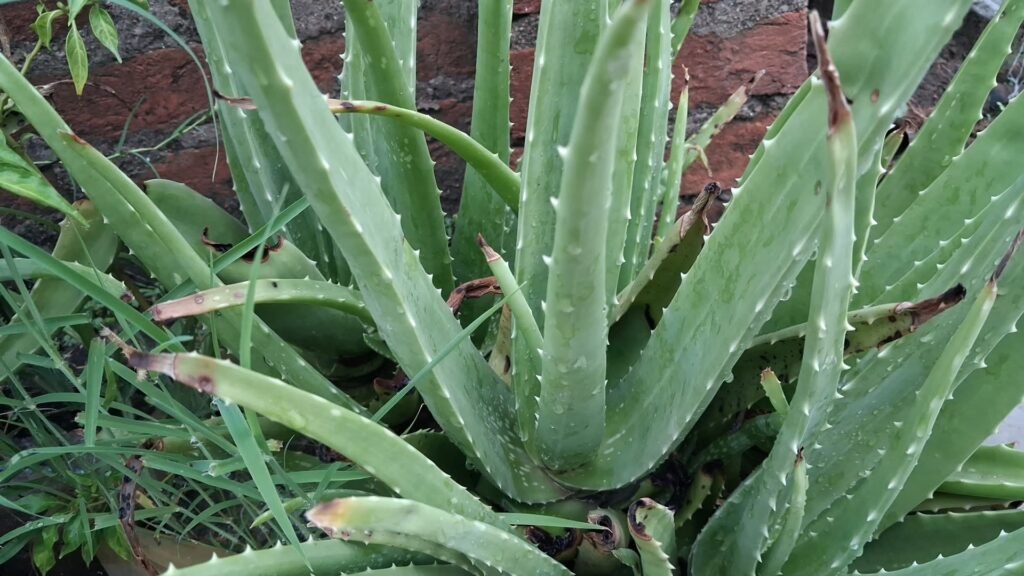
Walk into any Indian home and there is a decent chance you will find an aloe vera plant sitting quietly on the balcony or in the garden. Most people know it exists. Fewer people know what is actually inside it — and why it works the way it does.
Aloe vera is a succulent plant belonging to the Aloe barbadensis miller species. It grows naturally in dry, hot climates — which is why it thrives so well across India. The thick, fleshy leaves hold a clear, jelly-like gel that has been used in skincare and medicine for over 6,000 years.
What Does Aloe Vera Gel Actually Contain?
That simple-looking clear gel is far more complex than it appears. Here is what is packed inside:
- Vitamins A, C, E, and B12 — antioxidants that protect and actively repair skin
- Amino acids — the building blocks that help skin regenerate and heal
- Polysaccharides — natural sugars that lock moisture into skin cells
- Aloin and Aloesin — compounds known for brightening and anti-inflammatory action
- Salicylic acid — a gentle, natural exfoliant that unclogs pores
- Enzymes and minerals — support healing and reduce redness
- Over 96% water — which is why it hydrates skin without feeling heavy or greasy
All of these compounds work together — which is why aloe vera is one of the very few natural ingredients with actual science supporting its use on skin.
Pure Aloe Vera Gel vs Commercial Products — What is the Difference?
This is where a lot of people get confused. When you squeeze gel directly from a fresh aloe leaf, you get pure, raw aloe with zero additives — the most potent form possible.
Commercial aloe vera gels found in stores are a very different story. Many contain added colors, artificial fragrances, alcohol, thickeners, and preservatives — some of which can irritate skin more than help it. A product that looks bright green and smells like roses? That is not pure aloe. Real aloe gel is almost colorless and has only a faint, earthy smell.
We cover this comparison in much more detail in our companion post on the best aloe vera gels available in India — but keep this distinction in mind as you read through the benefits below.
7-Day Glowing Skin Challenge: Get Natural Glow at Home in 1 Week
Is Aloe Vera Gel Good for Face Everyday?
Short answer — yes, for most skin types.
Aloe vera gel is non-comedogenic, meaning it does not clog pores. It is water-based, lightweight, and absorbs quickly without leaving any greasy film behind. These qualities make it well-suited for daily use — morning, evening, or both — depending on what your skin needs.
Dermatologists generally consider topical aloe vera safe for regular use. Because it contains natural anti-inflammatory and antibacterial compounds, using it daily can actually help reduce breakouts over time, soothe redness, and keep skin balanced without disrupting its natural barrier.
When Should You Avoid Daily Use?
Despite all its benefits, aloe vera is not the right fit for every situation. Here is when daily use may not be ideal:
- Very dry skin in winters — Aloe provides surface-level hydration, but in cold and dry weather, it can make dry skin feel tighter if used without a moisturizer on top. Always layer one after.
- Open wounds or active sores — Do not apply aloe on broken or actively bleeding skin.
- Known Liliaceae family allergy — If you are allergic to onions, garlic, or tulips, there is a chance your skin may react to aloe too. Always patch test first.
- Very sensitive or reactive skin — Start with every other day and observe your skin’s response before going daily.
Quick Skin Type Guide for Daily Use
| Skin Type | Daily Use? | Best Time to Apply |
|---|---|---|
| Oily Skin | ✅ Yes — ideal | Morning + Night |
| Acne-Prone | ✅ Yes — highly beneficial | Morning + spot treatment |
| Dry Skin | ✅ Yes — always follow with moisturizer | Night routine |
| Combination | ✅ Yes | Morning |
| Sensitive | ⚠️ Start slow — every other day | Evening |
| Normal | ✅ Yes | Anytime |
Aloe Vera Gel for face Benefits
Instead of just listing benefits the way most articles do, each section below explains what is actually happening in your skin, why it works, and how to use it for that specific concern. This is the section worth bookmarking.
Aloe Vera Gel for Sunburn
If there is one thing Indian skin deals with more than almost anything else — it is sun damage. Whether you are commuting, doing outdoor work, or simply stepping out for ten minutes in peak summer, the Indian sun is harsh and it shows on your skin quickly.
Aloe vera is one of the most well-researched natural remedies for sunburn relief. Studies have found it can be more effective than some conventional treatments for first and second-degree burns. Two things happen simultaneously when you apply it — the high water content cools and hydrates skin immediately, while compounds like aloesin and Vitamin E work underneath to reduce inflammation and support skin repair.
How to use for sunburn:
- Apply chilled aloe vera gel generously on the affected area
- Do not rub — pat gently and let it absorb on its own
- Repeat every 3-4 hours on the first day
- Avoid applying heavy creams or oils on top of sunburned skin — let aloe breathe
Aloe Vera Gel for Dry Skin
Dry skin and aloe vera might seem like an odd combination — most people associate aloe with oily skin care. But here is something important: aloe vera is a humectant, meaning it pulls moisture from the environment and binds it to your skin cells.
The polysaccharides in aloe create a thin, breathable layer on the skin surface that slows down water loss — a process called transepidermal water retention. This is exactly what dry skin needs most.
However — and this is crucial — aloe vera alone is not enough for dry skin. It brings moisture in, but it needs a moisturizer on top to seal that moisture in. Think of aloe as the first layer, and your moisturizer as the lock that keeps it there.
How to use for dry skin:
- Apply aloe vera gel on slightly damp skin right after washing your face
- Wait 60 seconds for it to absorb fully
- Immediately follow with a good moisturizer — do not let it sit dry
- Night time works best for dry skin types using aloe
Aloe Vera Gel for Oily Skin
This is where aloe vera genuinely shines — and as someone with oily skin myself, I can tell you this from real personal experience.
Oily skin is constantly fighting a battle — too much sebum, a shiny T-zone by afternoon, enlarged pores, and breakouts that seem to arrive uninvited. Most moisturizers feel too heavy. Most gels feel too sticky. Aloe vera is the middle ground that oily skin has actually been looking for.
Because aloe is over 96% water, it gives oily skin the hydration it genuinely needs — without adding any oil back into the equation. When oily skin is dehydrated (which happens more often than most people realize), it overproduces oil to compensate. Aloe breaks that cycle by keeping skin hydrated and balanced without the greasiness.
The salicylic acid naturally present in aloe also gently exfoliates and helps keep pores from clogging — which means fewer blackheads and breakouts over time with consistent use.
How to use for oily skin:
- After cleansing, apply a thin layer of aloe gel all over the face
- In summer, this can completely replace your moisturizer during the day
- In cooler months, still follow with a lightweight oil-free moisturizer
- Use morning and night for best results
Aloe Vera Gel for Acne
Acne is one of the most searched skincare concerns in India — and aloe vera is one of the few natural ingredients with actual research-backed evidence for helping with it. Here is how it works at a skin level:
- Glycoproteins reduce inflammation — that angry, red, swollen pimple becomes less painful and less visible faster
- Polysaccharides support skin regeneration — healthy new skin cells replace the damaged ones more quickly
- Antibacterial compounds target acne-causing bacteria directly
- Salicylic acid keeps pores clear and helps prevent new breakouts from forming
Aloe vera works best for inflammatory acne — the red, swollen kind. For hormonal or cystic acne, it helps reduce redness and accelerate healing, but it is not a standalone cure. Combine it with a consistent skincare routine and dermatologist guidance when needed.
How to use for acne:
As spot treatment:
- Dab a small amount directly on the pimple
- Leave overnight and wash off in the morning
As all-over treatment:
- Apply a thin layer on the entire face after cleansing
- Especially helpful when there are multiple breakouts across the face
- Follow with a lightweight, non-comedogenic moisturizer
Aloe Vera Gel for Dark Spots & Pigmentation
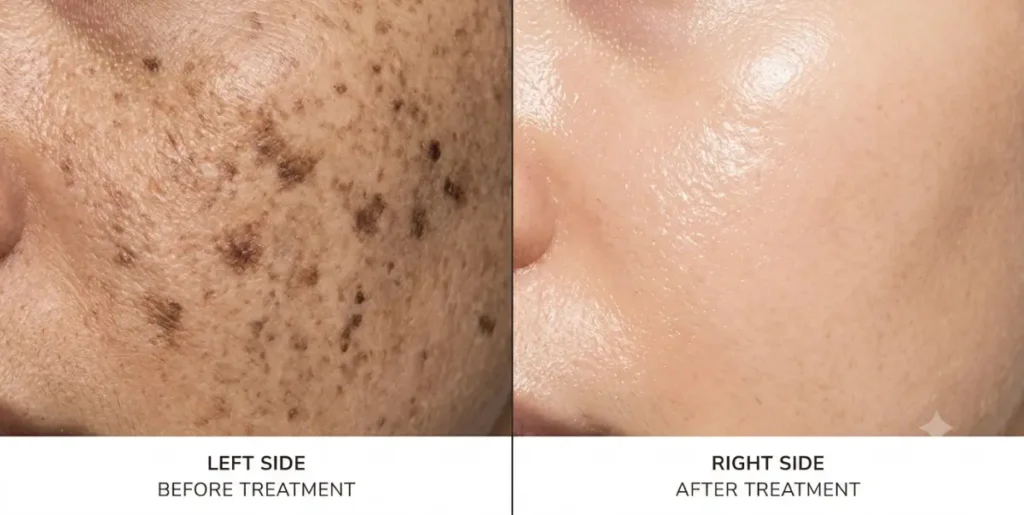
Dark spots, uneven skin tone, post-acne marks — these are concerns that almost every Indian skincare reader relates to deeply. Aloe vera has two specific compounds that make it genuinely relevant here:
Aloin — a naturally occurring compound that has been studied for its ability to interfere with melanin production. Less melanin being produced in a specific spot means that dark mark gradually becomes lighter over time.
Aloesin — works as a natural tyrosinase inhibitor. Tyrosinase is the enzyme that triggers melanin production — and blocking it is literally how most skin brightening ingredients work. Aloesin does this naturally, without harsh chemicals.
How to use for dark spots:
- Apply pure aloe vera gel directly on dark spots twice daily
- For faster results, mix with a drop of Vitamin C serum applied before aloe
- Always use SPF during the day — without sun protection, pigmentation comes back faster than aloe can fade it
Aloe Vera Gel for Glowing Skin
Everyone wants glowing skin — but not everyone understands what “glow” actually means at a skin level. Dull skin is usually the result of dead skin cell buildup, dehydration, uneven texture, or sluggish skin cell turnover. Aloe vera addresses all of these at once:
- The salicylic acid gently exfoliates dead skin cells without stripping or irritating
- The high water content keeps skin plump and hydrated — and hydrated skin literally reflects light better, which is what we call a natural glow
- Antioxidants (Vitamins C and E) protect skin from the oxidative stress that makes it look dull and tired
- Regular use boosts collagen synthesis, which gradually improves skin texture and firmness
For Indian skin specifically — where pollution, hard water, and intense sun exposure are everyday realities — aloe vera works as a quiet, steady reset for skin that has been dealing with a lot.
Aloe Vera Gel for Eczema & Psoriasis
Both eczema and psoriasis are inflammatory skin conditions that cause itching, redness, and skin irritation. Aloe vera’s anti-inflammatory properties make it a commonly used soothing agent for both — but with some important differences in how to use it.
For eczema, aloe creates a cooling, soothing layer on irritated skin that reduces the urge to scratch and helps the skin barrier slowly recover. It does not cure eczema, but it provides real relief during flare-ups when prescription treatments feel too harsh.
For psoriasis, applying aloe twice daily to affected areas has been found in some studies to reduce scaling and redness over time. It is not a replacement for prescribed treatment — but it is a gentle, chemical-free addition that many people find helpful alongside their regular medication.
Important precautions for both conditions:
- Always patch test before applying to irritated or sensitive skin
- Do not apply on actively cracked or bleeding patches
- If you are on prescribed steroid creams — do not apply aloe on the same area without asking your doctor first. Aloe can increase steroid absorption through skin.
- If irritation gets worse after using aloe, stop immediately and consult a dermatologist
Aloe Vera Gel for Cuts, Wounds & Insect Bites
This is probably the oldest known use of aloe vera — and it holds up completely even today.
Aloe accelerates wound healing through two mechanisms working at the same time. First, it creates a natural antibacterial barrier over a cut or wound that prevents infection from setting in. Second, the polysaccharides in aloe stimulate collagen production in the damaged tissue, which speeds up the actual repair process underneath.
For insect bites — especially relevant during India’s monsoon season when mosquitoes are everywhere — aloe gel provides near-immediate relief from itching and swelling. The anti-inflammatory compounds get to work within minutes of application.
How to use:
For minor cuts:
- Clean the wound first with clean water
- Apply a small amount of aloe gel
- Cover with a bandage and leave overnight
- Reapply the next day as needed
For insect bites:
- Apply generously directly on the bite
- Leave on — no need to rinse
- Reapply whenever itching returns
Aloe Vera Gel for Different Indian Seasons ⭐
☀️ Summer (March – June)
Indian summers are intense. Temperatures cross 40°C in many cities, humidity rises, and skin goes into oil overdrive. In this season, aloe vera is genuinely your best friend because:
- It controls excess oil without stripping skin’s natural moisture
- It provides instant cooling relief after sun exposure
- It can fully replace your regular moisturizer on very hot days
- Applied before stepping out, it gives skin a light, breathable layer of hydration
Best use in summer: Apply chilled aloe gel morning and night. Skip heavy moisturizers on most days. Keep a tray of aloe ice cubes in the freezer for post-sun relief.
🌧️ Monsoon (July – September)
Monsoon brings humidity, sweat, and unfortunately — breakouts. The combination of moisture in the air and sweat on skin clogs pores quickly. Aloe vera helps here by:
- Keeping pores clear with its natural salicylic acid content
- Controlling bacterial growth on the skin surface in humid conditions
- Acting as a lightweight moisturizer that does not add to stickiness
- Reducing the redness and swelling of humidity-triggered breakouts
Best use in monsoon: Use as spot treatment on breakouts and as a light all-over layer after cleansing. Avoid heavy commercial gels with thickeners in this season — they will feel suffocating.
❄️ Winter (November – February)
North Indian winters bring dry, cold air that strips moisture from skin quickly. Even oily skin types can experience unexpected dryness and flakiness during this season. Aloe vera in winter:
- Helps heal dry patches and chapped skin gently
- Works as the first hydration layer before a heavier moisturizer
- Soothes redness or sensitivity that cold winds cause on exposed skin
- Supports the skin barrier that winter tends to weaken
Best use in winter: Always follow aloe with a proper moisturizer. Do not use aloe alone on dry skin in winter — it will not be enough to compensate for the dryness in the air.
Now you know exactly what aloe vera does for your skin.
The next step is learning how to actually use it correctly — the right steps, the right combinations, and the mistakes that cancel out all these benefits.
👉 Read next: How to Apply Aloe Vera Gel on Face — Step-by-Step Guide + DIY Face Packs
About the Author — Shivanshi

I am a skincare blogger from Lucknow and the founder of SkinDeepGlow.com. I have oily skin and I live where summers are genuinely brutal — which means I have tested aloe vera gel through every season, every skin phase, and every kind of weather this city throws at me. Everything I write here is based on real research and real experience. No fake claims, no unrealistic promises — just honest skincare guidance for real Indian skin.