
Introduction
Two years ago, my skin and I weren’t exactly on good terms. I have oily, acne-prone skin, and like most people figuring things out for the first time, I kept switching products every few weeks, hoping the next one would finally “fix” things. Some days it was a new face wash, some days a random serum from a Nykaa sale, and somewhere in between, my skin just got more confused than mine.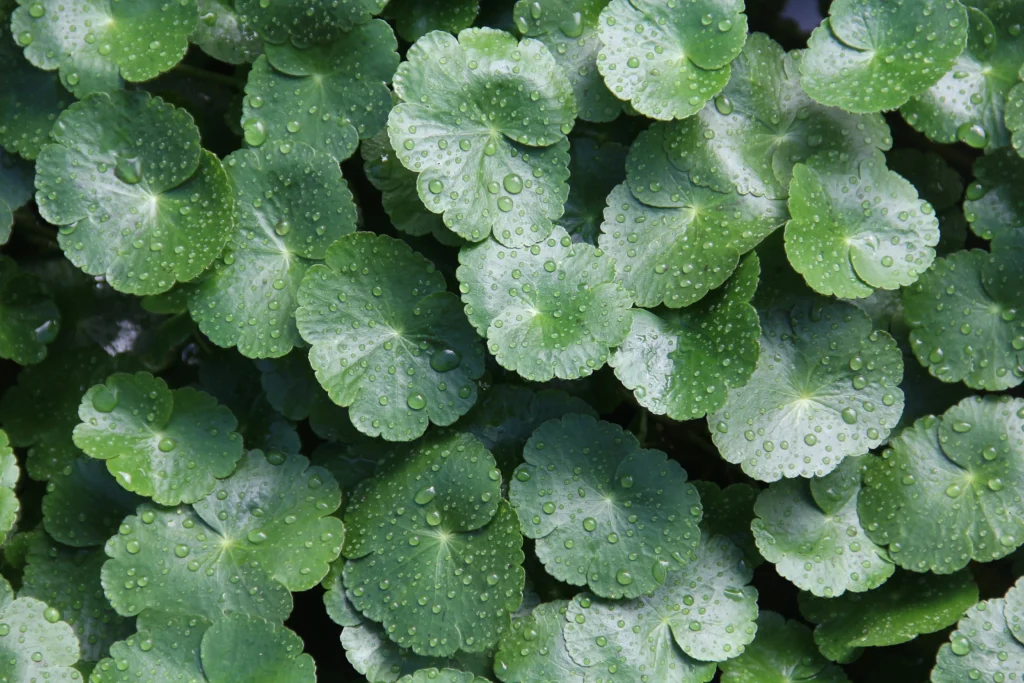 I still remember a particular monsoon evening — humid, sticky, the kind where you can feel your skin producing oil in real time. I’d just applied my Foxtale niacinamide serum, which honestly does a decent job most days, but there was this stubborn redness along my cheeks that simply refused to calm down. A friend who’d been deep into Korean skincare for years told me, almost casually, “just try Cica.” I remember thinking, great, another trendy ingredient I’ll forget about in a month.
Except this one stuck around, and once I actually read into it, I realized it wasn’t new at all. It’s been sitting quietly in Indian households for generations, under a completely different name — Ayurveda calls it Mandukaparni, and it’s been used for skin and wound healing for centuries.
That’s really the story of Centella Asiatica, or Cica, in a nutshell — an old, familiar plant that Korean skincare rebranded, and that turns out to be genuinely useful for the specific problems Indian skin deals with: pollution in cities like Delhi, humidity in Mumbai and Chennai, hard water in large parts of North India, and the constant back-and-forth between air-conditioned offices and blazing heat outside.
In this post, we’ll go through:
- What’s actually inside Centella Asiatica, and why the compounds matter more than the name on the label
- What it specifically does for acne-prone and sensitive skin
- How to fit it into a routine you already have, without overhauling everything
- How it compares with niacinamide, aloe vera, and tea tree oil
- The best Cica products currently available in India, across budgets
- Simple ways to use fresh Centella at home
- Realistic side effects, precautions, and a results timeline you can actually trust
Top posts: Pilgrim vs Minimalist: Why 73% of Indians Regret Buying the Wrong One
10 Best Gentle Cleansers for Sensitive, Acne-Prone Skin
Patch Test for Skin Allergy: 7 Things Nobody Tells You Before You Go
The Science Behind Cica — Explained Simply
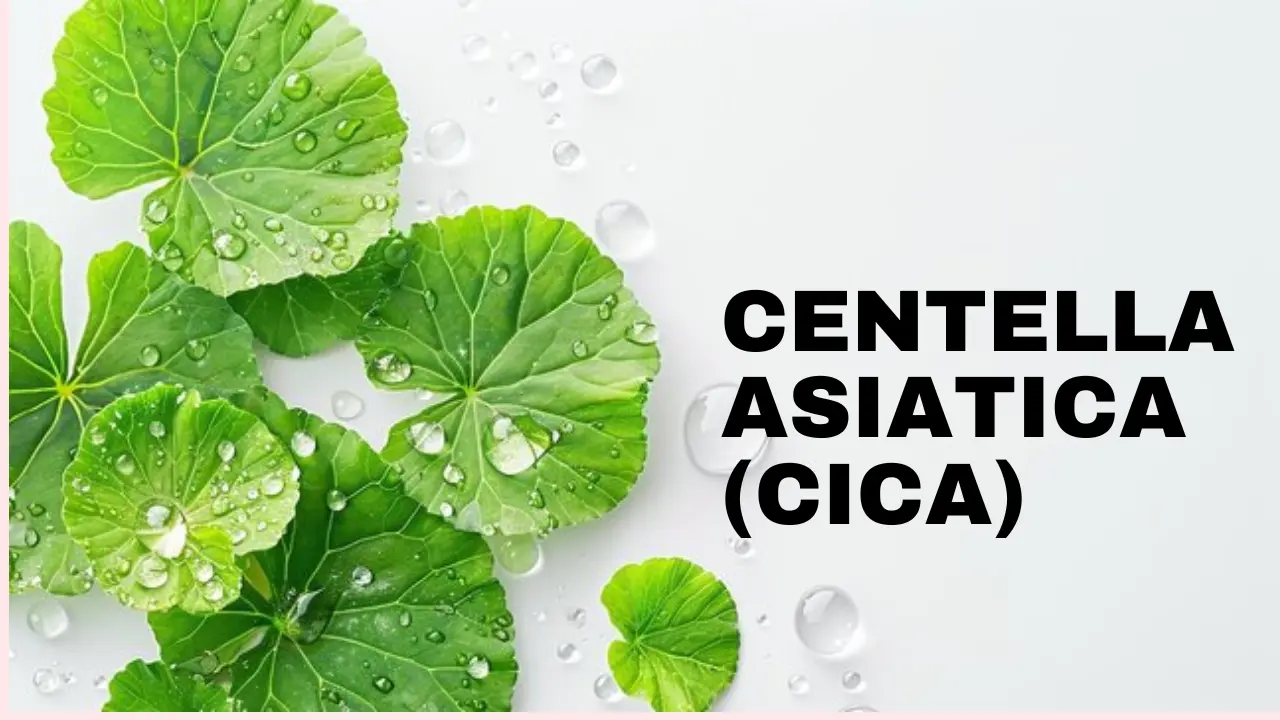
Centella Asiatica is a small, fan-leafed herb that grows wild in marshy, tropical regions — including large parts of India. You’ll find it growing near ponds, in humid backyards, sometimes even along roadside drains in the monsoon. In Ayurveda, it’s known as Mandukaparni or Brahmi, and traditional texts describe it being used as a paste for wounds, burns, and skin irritation long before “skincare” was even a category of its own.
What makes this unassuming little plant worth talking about isn’t the leaf itself — it’s four specific active compounds inside it, each doing a slightly different job.
Madecassoside is the one responsible for that almost-immediate calming effect. Think of it as the ingredient that tells your skin’s inflammatory response to stand down. When a pimple is red, swollen, and tender to touch, this compound works directly on that inflammation — which is why a lot of people say their skin genuinely feels less “hot” within minutes of applying a Cica product.
Asiaticoside works differently — it supports collagen synthesis, which is your skin’s natural repair material. This is the compound responsible for Cica being recommended not just for active breakouts, but for old acne marks and healing wounds too. If madecassoside is the calming agent, asiaticoside is the rebuilding crew.
Madecassic acid works alongside madecassoside, but goes a layer deeper — it acts at the cellular level to reduce inflammation and speed up the skin’s natural repair process. Together, these two compounds are why Cica products often feel effective faster than you’d expect from something this gentle.
Asiatic acid is the barrier specialist. It supports your skin’s natural lipid (fat) production, which is essentially the “mortar” holding your skin cells together. If you’ve ever over-exfoliated, used a stripping face wash, or gone too aggressive with actives (a mistake I made plenty of times in my first year of “serious” skincare), your barrier weakens, and this compound helps rebuild it from the inside out.
Now here’s something most articles gloss over, and it’s genuinely important: having Centella Asiatica listed on a product doesn’t automatically mean it works well. Brands can legally list an ingredient even if it’s present in a tiny, almost symbolic amount. The real test is where it sits in the ingredient list — closer to the top means a meaningful concentration, closer to the bottom (near preservatives and fragrance) usually means it’s mostly there for marketing. I’ve made this checking-the-label habit non-negotiable for myself; a free tool like INCIDecoder takes less than a minute and tells you exactly where an ingredient ranks.
Why does any of this matter specifically for acne-prone skin? Because every active pimple is, at its biological core, an inflammatory response — your skin is fighting bacteria, clogged pores, and excess oil all at once, and that fight shows up as redness, swelling, and pain. Most conventional acne treatments try to win that fight by being aggressive: stripping oil, killing bacteria fast, exfoliating hard. Cica takes the opposite approach. It calms the fight down from the inside, supports repair, and lets your skin’s own defenses work properly again — without the collateral damage of dryness and irritation that harsher treatments often leave behind.
Know more: Skincare Routine for Oily Acne Prone Skin India: What Actually Worked for Me (2026)

Why Indian Skin Specifically Needs Cica
This is the part most global skincare content misses entirely, because it’s usually written by people who’ve never dealt with a Delhi winter smog spike or a Chennai power cut in May.
Consider what Indian skin actually goes through in a single week. You step out into 40-degree heat, walk into an ice-cold, dehumidified office AC, step back out for lunch, sweat through your commute home, and by evening your skin has swung between extremes of temperature and humidity multiple times. Add pollution — Delhi’s “moderate” AQI days would count as an emergency in most Western cities — and your skin is under a level of environmental stress that a lot of imported skincare advice simply doesn’t account for.
Then there’s hard water. If you live in cities like Delhi, Jaipur, or parts of Gujarat, the mineral-heavy tap water you wash your face with every day can leave a residue that disrupts your skin barrier over time, making skin more reactive and prone to breakouts. Festival season doesn’t help either — heavier makeup, oil-based sweets, late nights, and skipped skincare routines during Diwali or Durga Puja often show up as a fresh crop of pimples right after.
Cica works well here because it’s not trying to fight one specific trigger — it’s supporting your skin’s overall resilience, so it bounces back faster regardless of whether the stress came from pollution, heat, hard water, or a plate of too many mithai.
Benefits of Centella Asiatica for Acne-Prone Skin
When I first added a Cica toner into my routine, I didn’t expect much — I’d tried enough “calming” products by then to be skeptical. But within about a week, something genuinely shifted. It wasn’t dramatic, more like my skin stopped overreacting to things that used to set it off — a slightly stronger sunscreen, a sweaty gym session, even just switching pillowcases.
It calms breakouts without the trade-off of dryness. Most acne treatments work by drying the skin out — benzoyl peroxide, high-strength salicylic acid, and harsh physical scrubs all fall into this category. In our climate, that approach often backfires, because dry, stripped skin panics and produces even more oil to compensate, which can trigger more breakouts, not fewer. Cica calms the inflamed pimple directly without touching your skin’s natural moisture levels, so you get less redness without that tight, flaky, uncomfortable feeling afterward.
It rebuilds a damaged skin barrier. If you’ve been using a foaming face wash that leaves your skin squeaky clean (a red flag, not a good sign), or layering three or four actives at once, your barrier takes a hit. A weakened barrier doesn’t just feel uncomfortable — it actually makes acne worse, because compromised skin becomes more reactive to everything, including your own sebum. Cica’s barrier-repair properties help undo this damage over time.
It fades post-acne marks faster. This is the benefit Indian skin tends to care about most, because our skin tone shows post-inflammatory hyperpigmentation (PIH) very visibly — those stubborn brown or reddish-brown marks that linger long after the actual pimple is gone. Because Cica supports collagen production and cellular turnover, consistent use genuinely speeds up how quickly these marks fade compared to just waiting them out.
It offsets pollution-related stress. Pollution particles settle on skin, trigger oxidative stress, and worsen existing inflammation, which shows up as dullness and more frequent breakouts, especially in metro cities during peak traffic and winter smog months. Cica’s antioxidant activity helps neutralize a meaningful chunk of that damage before it compounds.
It’s genuinely gentle enough for daily use. Unlike acids or retinoids, which typically need a slow, careful introduction, Cica is mild enough for most people to use morning and night without a “purging” period — as long as you’re not simultaneously stacking ten other actives, which, respectfully, please don’t do.

How to Use Cica in Your Skincare Routine
Where It Fits, Step by Step
You don’t need to throw out your entire shelf and start a “Cica-only” routine — that’s neither necessary nor realistic. Here’s how to actually work it in:
- Cleanser — A Cica-infused face wash is a good, low-effort entry point, especially after a sweaty commute or a long day outdoors in the heat.
- Toner/Essence — This is where Cica does its best work for most people. A lightweight Centella toner right after cleansing calms and preps your skin before anything else is applied.
- Serum/Ampoule — If you’re dealing with active breakouts or visible barrier damage, a concentrated Cica serum is worth the investment. Apply it before your moisturizer.
- Moisturizer/Cream — A Cica cream works well as a final step, particularly at night, or as your daytime moisturizer if your skin runs oily-sensitive.
- Spot treatment — Some Cica gels are formulated specifically for spot treatment — dab a small amount directly onto an inflamed pimple.
Read more: Morning vs Night Skincare Routine for Sensitive and Acne-Prone Skin (2026)
Layering It With Other Actives
Cica pairs beautifully with niacinamide — I use my Foxtale niacinamide serum followed by a Cica moisturizer most nights, and the combination genuinely feels calming rather than just hydrating. With salicylic acid or BHA, apply the BHA product first (if it’s a liquid or toner), give it a few minutes to absorb, then follow with Cica to soften any dryness or stinging. With retinol, it’s close to a perfect pairing — applying Cica moisturizer right after retinol (often called the “sandwich method”) noticeably reduces the peeling and redness that comes with starting retinol for the first time. It also works fine alongside vitamin C, though if your skin is on the sensitive side, it’s safer to keep vitamin C for the morning and Cica for the evening rather than layering both together in one step.
How Often to Use It
Twice daily works well for most sensitive or acne-prone skin types. If you’re introducing it for the first time, start with once a day for about a week, watch how your skin responds, and then build up from there.
Cica vs Other Popular Skincare Ingredients
| Ingredient | Best For | How It Works | Combines With Cica? |
|---|---|---|---|
| Centella Asiatica (Cica) | Redness, inflammation, barrier repair | Anti-inflammatory + collagen support | — |
| Niacinamide | Oil control, pore appearance, brightening | Regulates sebum, strengthens barrier | Yes, an excellent combo |
| Aloe Vera | Instant cooling, mild hydration | Soothing gel with antioxidants | Yes, layers well |
| Tea Tree Oil | Killing acne-causing bacteria | Antimicrobial, spot treatment | Yes, but use sparingly and follow with Cica |
| Salicylic Acid (BHA) | Unclogging pores, blackheads, active acne | Exfoliates inside the pore | Yes, Cica offsets BHA-related dryness |
| Retinol | Anti-aging, cell turnover, acne prevention | Speeds up cell renewal | Yes, Cica reduces retinol-related irritation |
The short version: Cica isn’t trying to replace your other actives — it’s the ingredient that makes the rest of your routine tolerable, especially if your skin tends to react to everything you introduce.

Best Cica Products in India (2026 Updated)
Prices shift often with sales and restocks, so treat these as ballpark ranges rather than fixed numbers. I’ve mixed drugstore and premium picks so there’s a realistic option at every budget.
| Product | Type | Best For | Price Range |
|---|---|---|---|
| Cleanser | Everyday gentle cleansing for oily-acne skin | ₹250–350 | |
| Derma Co Centella Asiatica Barrier Repair Range | Cream/Serum | Post-acne barrier recovery | ₹500–700 |
| Pilgrim Centella Asiatica Cica Serum | Serum | Budget-friendly beginner Cica product | ₹400–500 |
A quick, honest note: resist the urge to buy five Cica products at once thinking it’ll speed up results. Pick one, or at most two — say, a toner plus a moisturizer — and commit to a genuine 6–8 week trial before deciding whether it’s working for you.

DIY Cica Remedies for Home Use
If you can get your hands on fresh Centella Asiatica leaves — some nurseries and Ayurvedic stores sell it under “Brahmi” or “Mandukaparni” — here are a few simple, low-risk ways to use it at home. These are gentle add-ons, not a replacement for a proper routine.
- Centella leaf paste mask: Crush a handful of clean, fresh leaves into a paste, apply for 10–15 minutes, and rinse with lukewarm water. Good for an angry breakout day.
- Centella + aloe vera gel: Blend fresh Centella leaves with fresh aloe vera gel for an extra-cooling mask — genuinely refreshing after a dusty Delhi afternoon or a humid Mumbai evening.
- Centella-infused water rinse: Boil the leaves in water, let it cool completely, strain, and use as a final face rinse or keep it in a spray bottle for a midday cooling mist at your desk.
One important caution: always patch test fresh plant extracts before using them on your face. Raw, unprocessed plant material can sometimes be more irritating than a formulated, stabilized product, especially on very reactive skin. I learned this the hard way while experimenting with my weekly multani mitti pack a while back — new natural ingredients deserve exactly the same caution you’d give a new chemical active, not less.
Possible Side Effects and Precautions
Centella Asiatica is genuinely one of the gentlest ingredients in skincare, but “gentle” doesn’t mean it’s completely risk-free for every single person.
- Rare allergic reactions: A small number of people can still react to Cica, especially in unrefined or DIY forms. Watch for itching, hives, or increased redness after use.
- Photosensitivity isn’t a major concern the way it is with retinol or exfoliating acids, but daily sunscreen still matters — not because of Cica, but because untreated acne marks darken further with sun exposure, undoing a lot of the progress you’re making.
- Patch test first, every time. Apply a small amount on your inner arm or behind your ear, wait 24–48 hours, and check for reactions before putting anything new on your face.
- Don’t rely on Cica alone for severe or cystic acne. It’s excellent for calming and supporting healing, but deep, painful, cystic breakouts genuinely need a dermatologist’s input — Cica can be one part of that plan, not the entire plan.

When to see a dermatologist:
if breakouts are painful, leaving deep scars, showing no improvement after 8–10 weeks of consistent use, or if you notice signs of spreading infection like increasing swelling, pus, or fever — please don’t wait it out with home remedies alone.
Real Results Timeline
Skincare isn’t an overnight fix, and anyone promising “clear skin in 3 days” is selling you something that doesn’t hold up. Here’s a realistic, honest timeline based on how Centella actually works on skin:
- Day 1–3: An immediate cooling and calming sensation on application; visible redness reduction within hours on actively inflamed pimples.
- Week 1–2: Overall skin reactivity drops noticeably — fewer new breakouts triggered by minor irritants like sun exposure, sweat, or switching products.
- Week 3–4: The skin barrier feels visibly stronger, and you’re able to tolerate other actives like BHA or retinol with far less irritation than before.
- Week 6–8: Post-acne marks and overall skin tone show clear improvement; texture starts to feel smoother and more even.
- 3 months and beyond: The most meaningful, long-term benefits show up here — stronger barrier resilience, noticeably fewer flare-ups even during pollution-heavy winter months or peak humidity, and continued, gradual fading of older acne marks.
Frequently Asked Questions
1. Is Centella Asiatica the same as Cica?
Yes. “Cica” is simply the K-beauty shorthand for Centella Asiatica — same plant, same ingredient, occasionally also called gotu kola or Indian pennywort.
2. Can I use Cica if I have oily, acne-prone skin?
Absolutely — Cica is lightweight and non-comedogenic in most formulations, making it one of the safer calming ingredients for oily and acne-prone skin specifically.
3. Is Cica good for sensitive skin too?
Yes, it’s one of the most frequently recommended ingredients for sensitive skin, largely because of its calming and barrier-repairing properties.
4. Can I use Cica every day?
Yes, most people can use it both morning and night. It’s gentle enough for daily use, unlike stronger actives such as acids or retinol.
5. Does Cica help fade acne scars and dark spots?
It helps meaningfully with post-inflammatory redness and supports collagen-related healing, but for deep, textured (pitted) scars, you’ll likely need additional treatments like microneedling alongside Cica.
6. Can I use Cica with niacinamide?
Yes — this is genuinely one of the best combinations available for oily, acne-prone, and reactive skin types.
7. Is Ayurvedic Brahmi or Mandukaparni the same as Cica?
Essentially, yes — Mandukaparni is the traditional Indian name for Centella Asiatica, though “Brahmi” is sometimes also used for a different herb (Bacopa monnieri), so it’s worth checking the botanical name before buying raw herbs.
8. Will Cica break me out?
It’s very unlikely, since Cica itself doesn’t clog pores. If a product does cause a breakout, it’s more likely due to another ingredient in the formula — a heavy oil or added fragrance, for instance — rather than the Centella itself.
9. Can pregnant or breastfeeding women use Cica skincare?
Topical Centella Asiatica is generally considered safe, but it’s always worth checking with a doctor before adding any new active ingredient during pregnancy.
10. How long before I see results with Cica for acne?
The calming effect is near-instant, but visible improvement in marks, texture, and barrier strength usually takes about 4–8 weeks of consistent use.
11. Can men use Cica products too?
Yes, absolutely. Skin doesn’t discriminate by gender — if you have acne-prone or sensitive skin, Cica works exactly the same way regardless of who’s using it.
12. Is an expensive Cica serum always better than a budget one?
Not necessarily. What actually matters is the concentration of Centella Asiatica and where it sits on the ingredient list — not how much the product costs.
Conclusion
Two years of navigating acne-prone skin has taught me one thing very clearly: the harsher you get with your skin, the more it tends to fight back. Centella Asiatica isn’t a miracle overnight fix, and anyone claiming it is probably hasn’t dealt with a real cystic breakout. What it actually offers is quieter but more valuable — an ingredient that genuinely lets your skin heal, instead of forcing it into submission.
Start small. Pick one solid Cica product — a toner or moisturizer is usually the easiest place to begin — and give it a genuine 6-to-8-week trial before layering on anything else. Your skin, especially through another pollution-heavy season, has earned that patience.
If you’ve already tried a Cica product, I’d genuinely love to know what worked for you — drop it in the comments, and let’s figure out together what actually holds up for Indian skin, not just what looks impressive in a K-beauty haul video.
Disclaimer
This post is for informational purposes only and is not a substitute for professional dermatological advice. Always patch test new products, and consult a dermatologist for severe or persistent acne. Recommendations are based on genuine research and personal use, not paid promotions. Some links may be affiliate links, at no extra cost to you.
About the Author

Hi, I’m the founder of SkinDeepGlow.com, writing from Lucknow, India. After years of dealing with oily, acne-prone skin in our hard water and pollution, I started this space to share what actually works — no fluff, just honest, tried-and-tested skincare for Indian skin.
Got your own Cica experience to share? Drop it in the comments!