
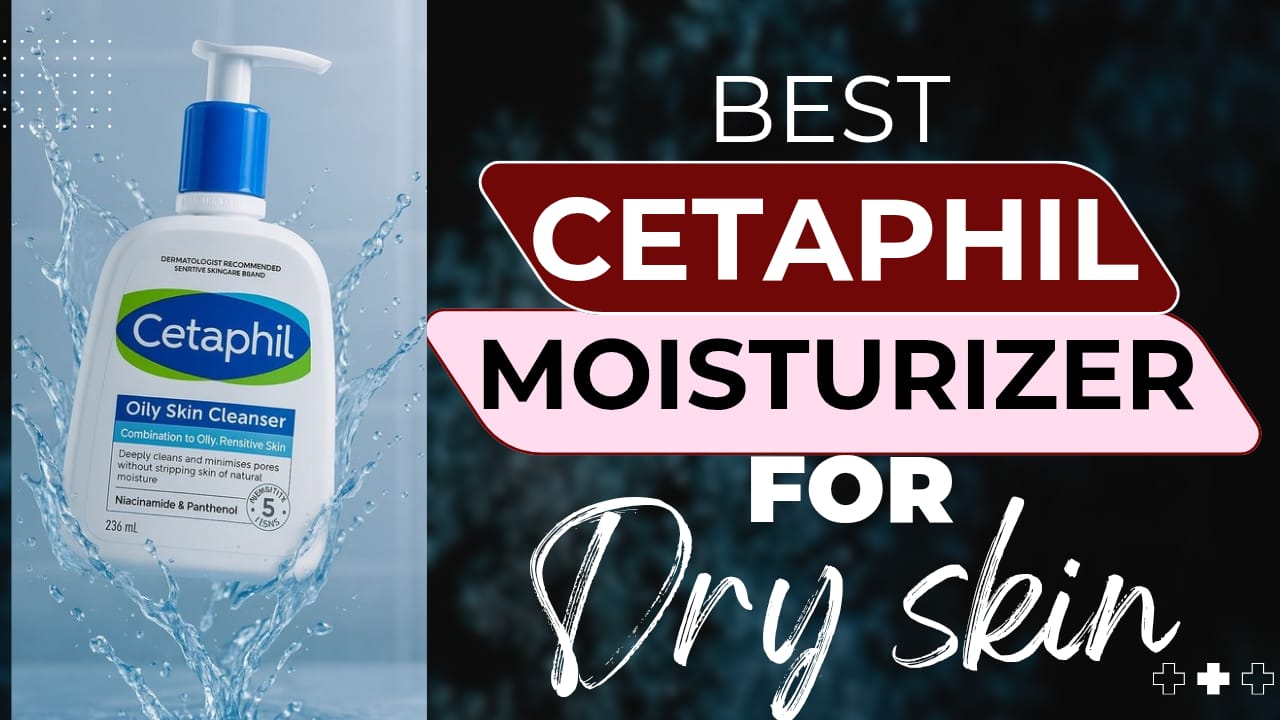
Quick Answer:
- Very dry skin/winter/body → Cetaphil Moisturizing Cream (rich, petrolatum-based)
- Continuously dry, sensitive skin, face and body, lighter feel → Cetaphil DAM Daily Advance Ultra Hydrating Lotion
- Normal-to-dry, dehydrated skin, hydration with a glow on the face → Optimal Hydration Daily Glow Cream (contains Hyaluronic Acid)
- ⚠️ Formula varies by region and batch—be sure to read the ingredient list on the pack before purchasing.
If you have dry skin, moisturizer isn’t an “extra step”—it’s a basic necessity.
When skin can’t hold its own moisture, tightness, roughness, and itching set in.
And this is where Cetaphil comes in, as this brand is commonly chosen for dry and sensitive skin.
But the problem is—Cetaphil has creams, lotions, and even separate lines like “Optimal Hydration.”
Which one is right for dry skin? This is where people get confused when choosing a Cetaphil moisturizer for dry skin.
In this guide, we’ll provide an honest comparison of three popular options—ingredients, texture, benefits, limitations—
all in simple language. By the end you will have a clear idea of which one might be better for your skin.
Table of Contents
ToggleWhich Cetaphil Moisturizer Is Best for Dry Skin?
Simple—the “best” product isn’t determined by its name, but by your skin’s dryness level.
Currently, there are three main options for dry skin in India:
Moisturising Cream
Texture: Thick, rich cream
Best for: Very dry, sensitive skin; winter; body
Key ingredients: Glycerin, Petrolatum, Sweet Almond Oil, Sunflower Oil, Niacinamide, Panthenol, Vitamin E
Face/Body: Both (feels heavy on face)
Feel: Rich, deeply moisturising, protective layer
DAM Daily Advance Ultra Hydrating Lotion
Texture: Medium lotion
Best for: Continuously dry, sensitive skin; face + body
Key ingredients: Glycerin, Shea Butter, Sunflower Oil, Panthenol, Niacinamide, Vitamin E
Face/Body: Both
Feel: Hydrating, lighter than cream, non-greasy
Optimal Hydration Daily Glow Cream
Texture: Light cream-gel
Best for: Normal to dry, dehydrated skin; face
Key ingredients: Hyaluronic Acid, Glycerin, Niacinamide, Panthenol, Shea, Squalane, Vitamin E
Face/Body: Face (body works too)
Feel: Light, fast-absorbing, glow finish
1. Cetaphil Moisturizing Cream
This is Cetaphil’s richest and classic option. Petrolatum comes after glycerin in the ingredient list—meaning it forms a protective layer over the skin, preventing moisture from escaping.
The current India formula also contains niacinamide, panthenol (pro-vitamin B5), sunflower oil, and sweet almond oil.
The texture is thick, making it the most practical choice for the body, hands, elbows, and winter.
It can also be used on the face, especially at night, but it may be heavy on oily or combination skin.
Who will prefer it: Those with very dry skin or those who experience flakes and tightness in winter.
2. Cetaphil DAM Daily Advance Ultra Hydrating Lotion
“DAM” stands for Daily Advance Moisturizer. This is for those whose skin is always dry—not just in winter.
The texture is noticeably lighter than a cream, but thanks to the shea butter and sunflower oil, it’s not just a “watery” lotion—it’s quite nourishing.
The brand positions it for both face and body, and it’s fragrance-free and paraben-free. The brand claims it provides 48 hours of hydration—
this is a brand claim; real-world effectiveness will depend on weather and skin type.
Who will like it: Those who find rich creams heavy but find a light gel lotion insufficient.
3. Cetaphil Optimal Hydration Daily Glow Cream
This is the most “modern” formulation of the three. It contains Hyaluronic Acid (hydrolyzed form), which binds water to the skin, and a sugar-based humectant complex called Aquaxyl.
The texture is light and the finish is glowy—so it’s designed for the face, especially for dehydrated or dull skin.
The brand claims that skin looks smoother and more even within 1 week.
But one thing to keep in mind: this formula contains fragrance.
If your skin is very sensitive or gets irritated by fragrance, do a patch test first or prefer fragrance-free options (Cream or Dam).
Cetaphil Cream vs. Lotion: Which Is Better?
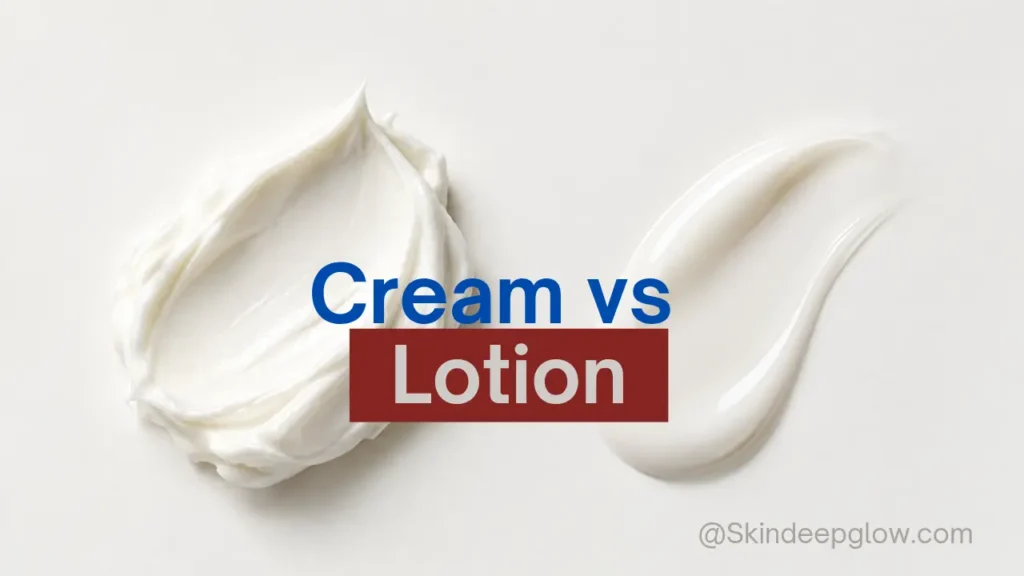
This “better” question is often asked incorrectly. The real question is: what does your skin and the weather demand?
When to choose a cream:
- Skin is very dry or flaking.
- Winter or AC-room dryness.
- Body, hands, heels, elbows.
- Night routine (also on the face).
When to choose a lotion:
- Dryness, but not extreme.
- Humid weather or heat; when the cream feels sticky.
- Morning routine; when makeup or sunscreen needs to be applied quickly.
- Oily-to-dry combination skin.
A practical approach is this: cream in winter, lotion in summer.
Many people use both—lotion for the face and cream for the body.
And yes, cream isn’t “always better than lotion.” If your skin is only mildly dry and you’re applying a heavy cream, your pores may feel congested. It’s crucial to match the formulation to your skin’s actual needs.
Ingredients: What Makes It Work?
The ingredients in moisturizers do three things. Simply put:
1. Humectants (water-attractants)
- These draw water from the environment or deeper layers of the skin to the outer skin.
- Examples: Glycerin, Hyaluronic Acid, Panthenol, Aquaxyl (in Daily Glow Cream)
- Glycerin is in all three products; Hyaluronic acid is only in Optimal Hydration Daily Glow Cream.
2. Emollients (soften the skin)
- Leave the skin surface feeling smooth and soft.
- Examples: Sunflower oil, Sweet Almond Oil, Shea Butter, Squalane, Dimethicone.
3. Occlusives (lock moisture)
- Form a seal over the skin so that water does not evaporate.
- Examples: Petrolatum (most prominent in the cream), Dimethicone.
One important clarification: Classic moisturizing creams do not contain hyaluronic acid.
The current Indian ingredient list (FIL. 1765) includes niacinamide and panthenol, but not HA.
HA is only found in the Optimal Hydration line. Old articles on the internet disprove this – the most reliable way is to check the pack.
About Niacinamide and Panthenol: Both help support the skin barrier. Niacinamide also helps to even out skin tone – but this ingredient is a support, not a “pigmentation treatment” (detailed below).
Benefits of Cetaphil Moisturizer for Dry Skin
Now, let’s break down the benefits into two categories: what ingredients are backed by science, and what is just a brand claim.
Generally supported (based on ingredient function):
- Moisturizing dry skin—proven work of glycerin, humectants, emollients
- Comforting tightness and a stretchy feeling
- Making rough, flaky skin feel soft and smooth
- Supporting the skin barrier (niacinamide, panthenol, petrolatum, dimethicone)
- Reducing moisture loss, especially occlusives in the cream
Brand claims (as written on the pack/website):
- “48-hour hydration”—This claim is made on both the cream and the DAM lotion. In real life, this will depend on weather, skin type, and quantity.
- “Smoother, glowing skin in one week” — a claim only for Daily Glow Cream.
- “Defends 5 signs of skin sensitivity” — a marketing line from Cetaphil; moisturizers can manage sensitivity, but they don’t cure it.
One thing moisturizers don’t do: they control the symptoms of dryness (tightness, roughness), but they don’t treat underlying skin conditions.
Does Cetaphil Moisturizer Remove Dark Spots?
No.
Simple and clear answer — Cetaphil moisturizer does not remove dark spots (pigmentation).
The function of moisturizer is to maintain moisture in the skin. Dry skin that causes dullness and a patchy look may be better than moisturizing — but these and pigmentation treatments are two different things.
What actually matters for dark spots:
- Sunscreen — UV exposure improves pigmentation. Without sunscreen, any spot-fading effort is wasted.
- Targeted treatments — dermatologist-recommended options (such as vitamin C, azelaic acid, retinoids, or clinical procedures) are a separate category.
Yes, some formulas contain niacinamide which plays a supporting role in evening out skin tone, but expecting a moisturizer to make “spots disappear” is not realistic. If pigmentation is serious, it would be better to consult a dermatologist.
How to Use Cetaphil Moisturizer for Dry Skin
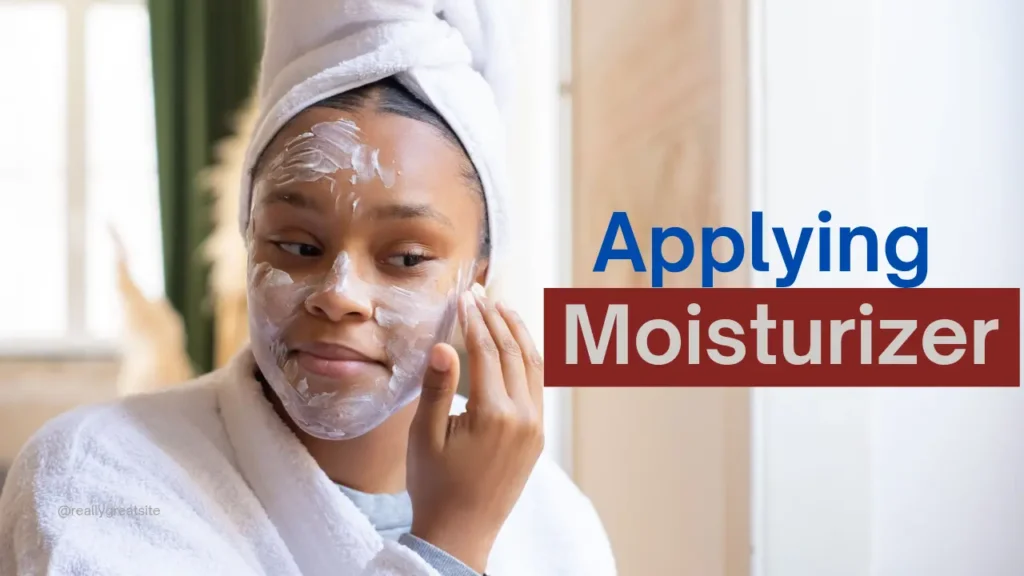
Applying the right product incorrectly can also lead to mediocre results. Follow these steps:
- Gentle Cleansing: Hot water and harsh soaps further dry out the skin. Use lukewarm water and a gentle cleanser.
- Apply to Damp Skin: The American Academy of Dermatology (AAD) recommends applying moisturizer after bathing or washing your face, when the skin is slightly damp. On damp skin, both creams and lotions spread better and lock in moisture. (Some dermatologists also call this the “3-minute rule”—the sooner the better.)
- Morning: Moisturizer → Sunscreen Don’t forget to apply broad-spectrum sunscreen after moisturizer on dry skin. This is the most practical step to avoid pigmentation.
- Night: Thicker Layers Skin is in repair mode at night, so creams or thicker layers work better at night. If cream feels heavy on the face, use a smaller amount or lotion.
- Pay attention to quantity. Applying too little won’t do the trick. The body needs ample amounts—especially on the elbows, knees, and heels.
Who Should Use / Who Should Avoid
For whom it may be useful:
- Those with dry or very dry skin
- Normal-to-dry skin, especially with seasonal dryness
- Those with sensitive skin (fragrance-free options — cream and DAMS — are safer bets)
Those with eczema-prone skin often prefer this — but note: this moisturizer is not a cure for eczema, and only a dermatologist can provide proper guidance during flare-ups.
Those who should exercise caution:
- Oily or acne-prone skin: A rich cream will feel heavy. Prefer a lighter lotion or gel-cream texture.
- Fragrance-sensitive skin: Daily Glow Cream contains perfume—be sure to do a patch test.
- Any specific ingredient allergy: Checking the ingredient list is always mandatory.
This “avoid” list isn’t rigid—texture preference is personal. Many people with very oily skin also use rich creams in winter, just reduce the quantity.
Drawbacks + Label Confusion
An honest review should also point out limitations:
- The cream’s heavy feel. Moisturizing creams can feel sticky to many people in heat or humidity. It can feel “greasy” on oily skin.
- The price is slightly on the premium side compared to Cetaphil drugstore. The MRP of the Dam lotion appears to be around ₹699 (100g) in the listings, and the price of the Moisturizing Cream varies depending on the pack size (80g/250g). Prices vary with seller, pack size, and time—please check the current price before ordering.
- Tub packaging The tub format of the cream is not as hygienic as a pump or tube—one has to insert the hand inside.
Label confusion—
the most important point is that Cetaphil’s formulas vary depending on the region and also change over time.
A live example: India’s current Moisturizing Cream (ingredient code FIL.1765) now contains niacinamide and panthenol —
these are listed differently in older formulas and US versions. Similarly, a product called “Daily Hydrating Lotion” has a different formula in the US that is not readily available in India.
Practical tip: Don’t blindly trust any review (even this article). Read the ingredient list on the pack yourself before buying, and if you’ve used it before and now it feels “different” — the formula may have changed.
Honest Take
Based on ingredient analysis and available product information (not making personal testing claims), here’s my balanced assessment:
Cetaphil Moisturizing Cream is a solid, no-nonsense barrier moisturizer. The combination of petrolatum, glycerin, and oils is genuinely effective for very dry skin, and being fragrance-free, it’s also practical for sensitive skin. If your skin tends to get tight and flaky in winter, this is a reliable option.
The Dam lotion nicely fills that middle ground where creams are heavy and gel lotions aren’t enough.
You can use it for both face and body, which also makes sense from a value-for-money perspective.
Daily Glow Cream has an interesting formulation (HA + niacinamide + Aquaxyl), but it does contain fragrance — which may seem a bit counter-intuitive if your priority is sensitive skin.
Set realistic expectations: these are moisturizers, not treatments. They will manage dryness and make skin comfortable — but they are not solutions for dark spots, acne, or other skin conditions.
How Long Does It Take?
Understand this in different ways:
Immediately (from the first application): Skin feels softer and smoother. The uncomfortable sensation of tightness is reduced.
With Consistent Use (on a scale of halftimes): Ongoing dryness, rough patches, and flakiness see gradual improvement. Moisturizing is a daily habit—applying it one day and then quitting won’t yield results.
Brand Time-Based Claims: Claims like “smoother, more even skin in one week” on the Daily Glow Cream are based on brand testing; individual results will vary.
Timeline for Dark Spots? No. As mentioned above, pigmentation has no “result timeline” from moisturizer. It requires sunscreen consistency and targeted treatments.
Key Takeaways
- Very dry/winter/body → Moisturizing Cream; lighter feel → DAM Lotion or Daily Glow Cream
- Classic moisturizing creams do not contain hyaluronic acid—HA is only in the Optimal Hydration line.
- Daily Glow Cream contains fragrance—do a patch test on sensitive skin.
- Moisturizer is not a dark-spot treatment—apply sunscreen daily.
- Apply immediately to damp skin, and always check the pack’s ingredient list.
FAQ
1. Cetaphil Cream or Lotion — Which is better for dry skin?
Cream is better for very dry skin, winter, or body. For mild dryness, humid weather, or face, a DAM lotion will be more comfortable. Your dryness level is the real deciding factor.
2. Can moisturizing cream be used on the face?
Yes, the formula is suitable for the face, especially dry skin, or in a nighttime routine.
But it will feel heavy on oily/combination skin — use a smaller quantity or prefer a lotion.
3. Does Cetaphil moisturizer contain hyaluronic acid?
Not every product. Hyaluronic acid is only in Optimal Hydration Daily Glow Cream.
Moisturizing Cream and Dam Lotion don’t contain HA—their main hydration engine is glycerin and emollients.
4. Is it good for very dry/winter skin?
Moisturizing Cream is Cetaphil’s strongest option for winter and very dry skin—the petrolatum-based formula effectively locks in moisture. It’s especially effective on heels, elbows, and hands.
5. Can it be used under sunscreen and makeup?
Yes. Follow the order of morning cleanse → moisturizer → sunscreen → makeup. Lotion textures layer more comfortably under sunscreen; if using cream, wait 5–10 minutes for absorption.
6. How long does it take to see results?
Softness and comfort are felt from the first application. Consistent daily use is needed for noticeable improvement in ongoing dryness — skin texture should start to feel better within a few weeks.
7. Does this work for dark spots?
No. Moisturizer does not remove dark spots. Daily sunscreen and dermatologist-recommended targeted treatments for pigmentation are needed.
8. Has the formula changed?
Maybe — brands update their formulas based on region and batch.
Example: India’s current Moisturizing Cream now contains niacinamide and panthenol, which were not in the old lists.
Therefore always read the ingredient list of the pack and do not blindly rely on any old review.
Related Posts
Read more~ 10 Best Centella Asiatica Cica Serums: Confused About Which One to Buy? Start Here
Read more~ After Comparing 50+ Moisturizers, These 12 Are the Best for Sensitive Skin
Read more~ How to Layer Skincare Products Correctly: A Complete Order-Wise Guide
Conclusion
If you wrap everything up then the picture is clear.
Very dry skin, winter, or body — Moisturizing Cream is your best bet. Petrolatum-based rich formula that genuinely locks moisture.
Continuously dry sensitive skin, face + body, lighter texture — DAM Daily Advance Lotion is a practical and versatile choice.
Dehydrated skin with a glow preference — Daily Glow Cream, always keep a patch test without fragrance.
Realistic role: Understand this: Cetaphil moisturizer is a reliable dryness-manager, not a magic product.
Just remember to mask dark spots, apply to damp skin, pair with sunscreen, and check the ingredient list before buying—just remember this and you won’t waste money.
The real solution to dry skin isn’t in a jar—it’s in a consistent, simple routine.
