

Introduction
It’s 11 pm, you’ve just come back from a full day in office AC, and your face feels like paper when you smile. You touch your cheek and there’s this weird tightness, almost like your skin doesn’t belong to you anymore. Sound familiar? If you live in any Indian metro — Delhi’s dust, Mumbai’s humidity swings, Bangalore’s AC-cooled offices, or honestly any city with hard tap water — you already know that “dry skin” here isn’t the same as dry skin in a skincare YouTube video shot in London.
Our skin fights a very specific, very Indian battle: pollution particles sitting on the surface, hard water stripping whatever moisture is left, AC drying out the air both at work and at home, and then sudden weather swings between seasons that never really give your skin time to adjust. Add over-cleansing (because oily T-zone but dry cheeks is a real thing for so many of us) and you’ve got a barrier that’s basically begging for help.
This is exactly where niacinamide for dry skin comes in, and honestly, it’s one of the few ingredients that actually deserves the hype it gets.
In this post, you’ll learn:
- Why Indian skin specifically gets dry (it’s not just “weather”)
- What niacinamide actually does at a skin-barrier level
- Which concentration is safe for dry, sensitive skin
- Ingredients to pair it with, and ones to avoid
- A simple, realistic routine for people who don’t have 45 minutes to spare
- Product options across budgets, with an honest comparison
- Mistakes I see Indian users making again and again
- A realistic timeline for results (not the fake “7 days glow-up” promise)
- When dryness is actually something else, and needs a dermatologist
Let’s get into it.
Know more: Ultimate Guide to Natural Skincare Routine for Sensitive & Acne-Prone Skin in 2026

Why Skin Gets Dry — The Barrier Connection (Indian Context)
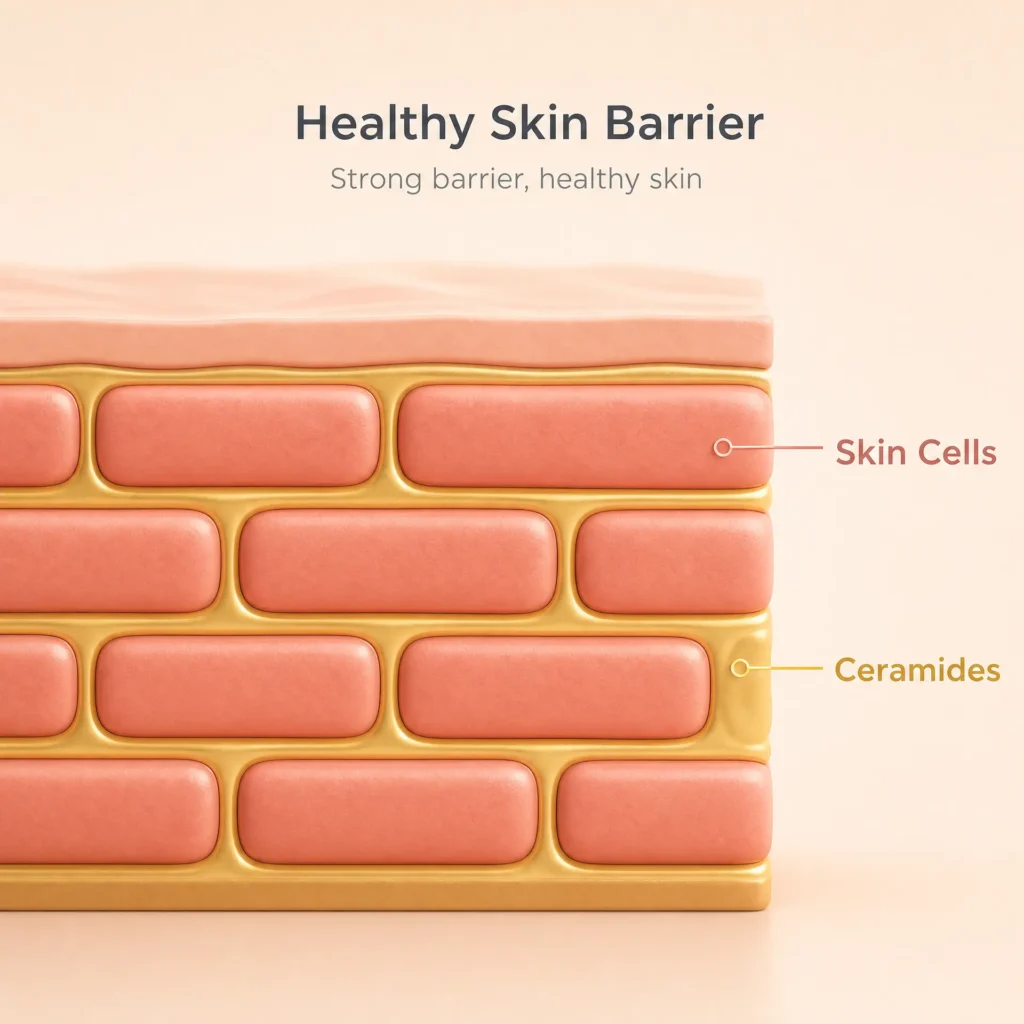
Before jumping to solutions, it helps to actually understand what “dry skin” means on a cellular level. Your skin barrier — the outermost layer, called the stratum corneum — works like a brick wall. The skin cells are the bricks, and lipids like ceramides, fatty acids, and cholesterol are the mortar holding it all together. When that mortar breaks down, water escapes faster than it should. This is called Transepidermal Water Loss, or TEWL, and it’s the real reason your skin feels tight, flaky, or rough.
Now here’s the Indian twist:
- Hard water: Most Indian cities have water with high mineral content (calcium, magnesium). Every time you splash your face, these minerals leave a residue that disrupts your barrier and makes cleansers foam less effectively, so people end up scrubbing harder or using more product — both of which strip the skin further.
- Pollution: Fine particulate matter (PM2.5) doesn’t just sit on your skin, it actually generates oxidative stress that weakens lipid structure over time. Delhi-NCR, Kolkata, and several other cities regularly cross safe air quality limits, and your face is the first thing exposed.
- AC exposure: Between office AC and home AC, many urban Indians spend 8-10 hours a day in artificially dehumidified air. This constantly pulls moisture from your skin’s surface.
- Seasonal whiplash: Monsoon humidity crashing into a dry October, or a mild December suddenly turning into an oddly warm February — Indian weather doesn’t give skin the gradual adjustment period it needs.
- Over-cleansing habit: A lot of us grew up believing “more washing = more clean = less pimples.” Foaming face washes twice a day, sometimes with harsh scrubs, quietly destroy the barrier over months.
Once the barrier is compromised, skin doesn’t just feel dry — it gets more reactive, more prone to redness, and ironically, can even break out more because a damaged barrier struggles to regulate oil production properly.
What Is Niacinamide and How It Helps Dry Skin
Niacinamide is a form of Vitamin B3, water-soluble, and one of the most well-studied ingredients in skincare — this isn’t some new TikTok trend, dermatology research on it goes back decades.
Here’s what it actually does for dry, compromised skin:
- Boosts ceramide production: Studies have shown niacinamide can increase the skin’s natural ceramide and free fatty acid synthesis, which directly rebuilds that “mortar” between skin cells. Basically, it helps your skin make its own moisture-lock system stronger.
- Reduces water loss: By strengthening the barrier, niacinamide has been shown in clinical studies to measurably reduce TEWL, meaning your skin holds onto hydration for longer instead of losing it to dry air or AC.
- Calms inflammation: Dry skin is often subtly inflamed, even if you can’t see redness clearly. Niacinamide has anti-inflammatory properties that help soothe that low-grade irritation.
- Regulates oil without over-drying: This is the part Indian combination-skin folks love — niacinamide balances sebum production, so it can help oily zones without making dry areas worse, unlike a lot of oil-control products that dry out your whole face.
- Improves texture and tone gradually: As a bonus, it helps with post-acne marks and uneven tone, which is a huge concern for Indian skin given how visible pigmentation can be on our skin tones.
In short: it’s not just a “hydrating” ingredient, it’s a barrier-repair ingredient, and that’s why it works so well specifically for dry, reactive skin instead of just sitting on the surface like a moisturizer would.
Know more: How to Get Rid of Pimples on Forehead Fast: I Tried 7 Methods in 48 Hours
Choosing the Right Concentration for Dry/Sensitive Skin
This is where most people go wrong. Higher percentage doesn’t mean better results, especially for dry or sensitive skin.
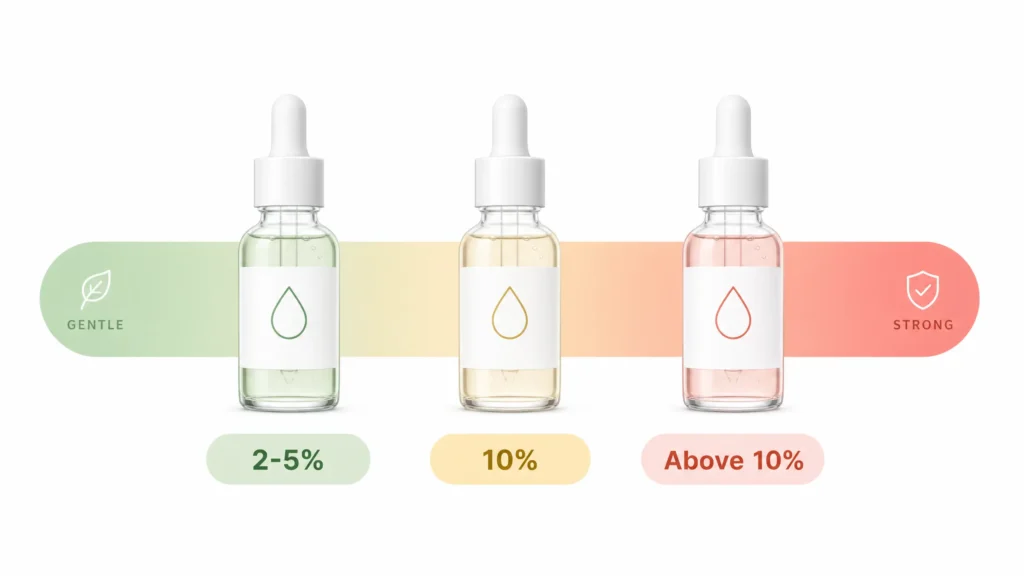
- 2–5%: This is the sweet spot for dry and sensitive skin. It’s gentle enough to not cause the flushing or tingling some people experience, while still being clinically effective for barrier repair.
- 10%: This is the most commonly available concentration in Indian drugstore and D2C brands, and it works well for most normal-to-oily skin. But if your skin is already dry, flaky, or sensitized, 10% can sometimes cause a temporary “niacinamide flush” — redness, warmth, or a stinging feeling, especially in the first few uses.
- Above 10%: Honestly unnecessary for most people, and can actually worsen barrier dryness if used too frequently without adequate moisturizing.
My honest suggestion if your skin is dry and easily irritated: start with a 5% formula, ideally one that’s paired with hydrating ingredients rather than a standalone high-strength serum. You can always build up. Going down after irritation is a lot more annoying than going up slowly.
Know more: Salicylic Acid vs Benzoyl Peroxide for Pimples: Which One Is Actually Better for Indian Skin?
Ingredients to Look For & Avoid
Pair Niacinamide With
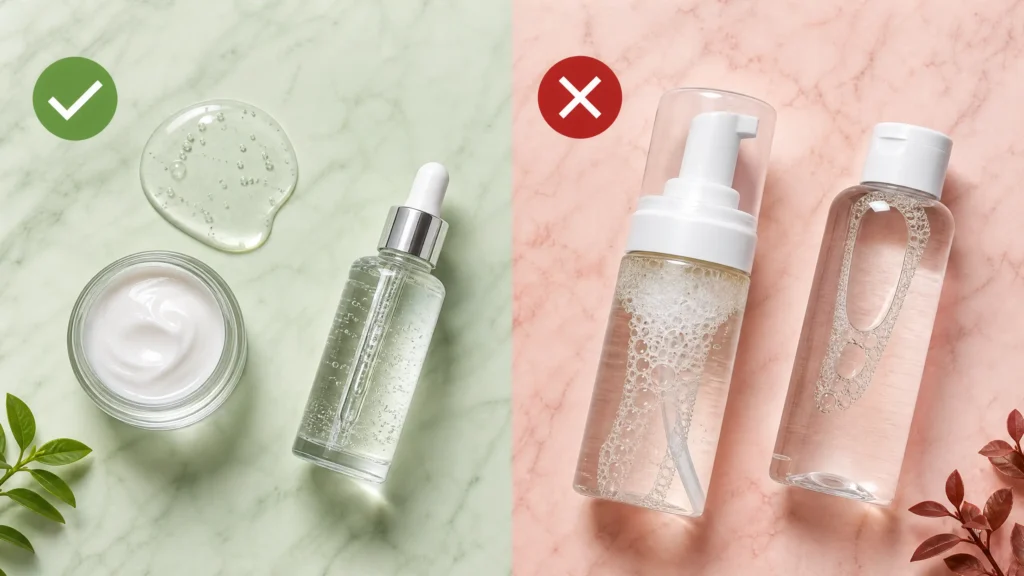
- Hyaluronic Acid: Draws water into the skin, works beautifully alongside niacinamide’s barrier-repair job.
- Ceramides: Literally supplies the “mortar” your barrier needs, doubling down on what niacinamide is already stimulating your skin to produce.
- Glycerin: An underrated hero, cheap, effective, and pulls moisture into the skin without any risk of irritation.
- Panthenol (Pro-Vitamin B5): Soothing and hydrating, great for calming a stressed-out barrier.
- Squalane: A lightweight oil that mimics your skin’s natural sebum, helps lock in whatever moisture niacinamide and HA bring in.
Avoid or Use Cautiously
- High-strength Vitamin C (L-Ascorbic Acid) mixed with niacinamide: Some older research suggested these could destabilize each other, and while newer formulations have mostly solved this, if your skin is dry and sensitive, using them at separate times (AM/PM) is still the safer bet to avoid extra irritation.
- Strong exfoliating acids (high % AHA/BHA) in the same routine: Layering niacinamide with aggressive exfoliation on already-dry skin is a recipe for a compromised barrier getting worse, not better.
- Alcohol Denat (high up in ingredient list): Common in Indian “oil control” face washes and toners, this dries out skin fast and cancels out anything good niacinamide is doing.
- Sulfates (SLS/SLES) in cleansers: These are harsh foaming agents that strip natural oils, especially rough when combined with hard water.
- Fragrance-heavy formulas: If your skin is already reactive, added fragrance is one of the top causes of unexplained stinging and redness.
How to Use It — One Simple Routine for Busy Indians
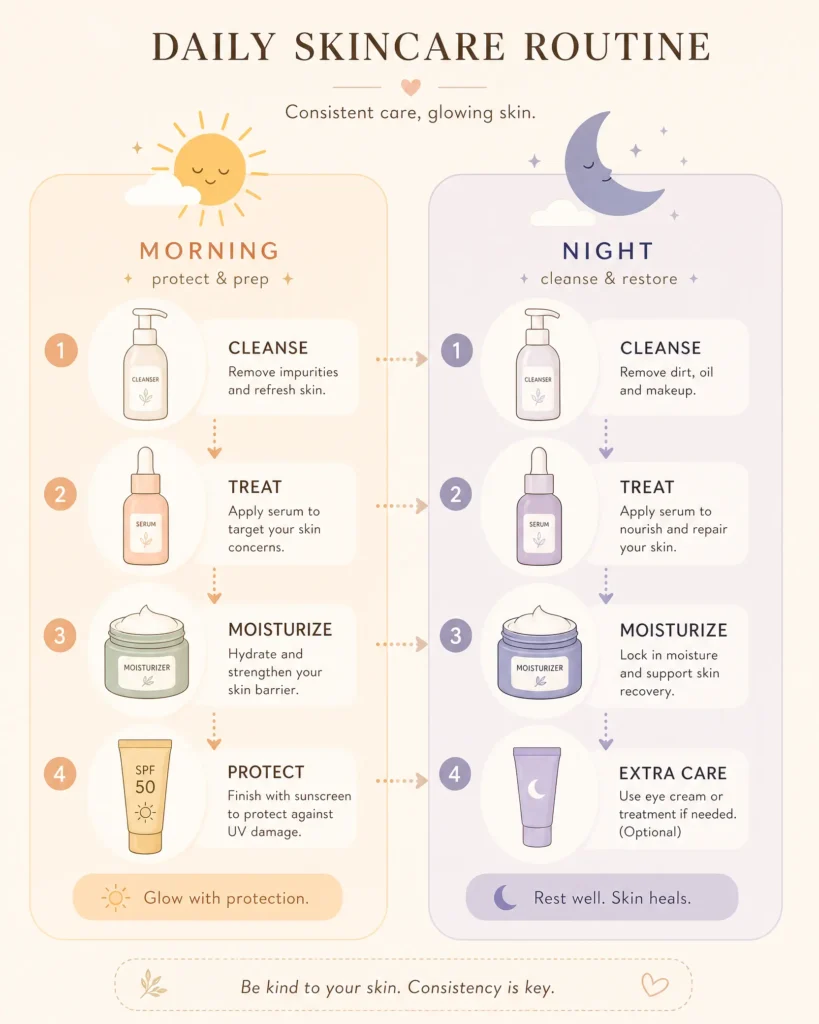
You genuinely don’t need a 10-step routine. Here’s a realistic AM/PM version that works even on your busiest days:
Morning:
- Rinse face with plain water or a very mild, sulfate-free cleanser (skip cleanser entirely if skin feels tight — plain water is fine).
- Apply niacinamide serum (2-5%) on slightly damp skin — this helps with absorption.
- Follow with a ceramide or glycerin-based moisturizer while skin is still a little damp, to lock everything in.
- Sunscreen, no skipping this, especially with Indian sun and pollution combined — SPF 30+ minimum.
Night:
- Double cleanse only if you wore sunscreen/makeup — micellar water or gentle balm first, then a mild face wash. If not, a single gentle cleanse is enough.
- Niacinamide serum again.
- A slightly richer night moisturizer or a few drops of squalane on top for extra barrier support.
That’s it. Two products doing the heavy lifting — cleanser and moisturizer — plus one serum. You don’t need five serums layered on top of each other; that’s often what causes irritation in the first place.
Know more: Morning vs Night Skincare Routine for Sensitive and Acne-Prone Skin (2026)

Best Niacinamide Products for Indian Dry Skin (With Comparison Table)
| Product | Concentration | Price Range | Best For | Why It Works for Dry Skin |
|---|---|---|---|---|
| Minimalist Niacinamide 5% Face Serum | 5% | ₹400–500 | Beginners, Sensitive Skin | Low irritation risk and paired with zinc for gentle oil balance. |
| Dot & Key Vitamin B3+ Niacinamide Serum | 5–10% | ₹500–700 | Combination-Dry Skin | Hydrating formula that supports the skin barrier while delivering niacinamide. |
| The Ordinary Niacinamide 10% + Zinc 1% | 10% | ₹1000–1200 (Imported) | Normal to Oily-Dry Combination Skin | Highly effective, but patch testing is recommended for reactive skin. |
| Foxtale Niacinamide Serum | 5–10% | ₹500–600 | Indian Sensitive & Acne-Prone Skin | Lightweight formula designed for Indian weather with less flushing. |
| La Roche-Posay Niacinamide 10 Serum | 10% | ₹1800–2200 | Sensitive Skin Needing Higher Strength | Dermatologist-developed formula with soothing thermal water. |
| Simple Water Boost Micellar Gel Wash | N/A (Cleanser) | ₹300–400 | Dry & Sensitive Skin | Gentle, sulfate-free cleanser that supports the skin barrier and complements your serum. |
A quick honest note: “premium” doesn’t always mean “better” here — a well-formulated 5% budget serum with a hydrating base can outperform an unbalanced 10% one for genuinely dry skin. Match the concentration to your skin’s current tolerance, not the price tag.
Know more: Pilgrim vs Minimalist: Why 73% of Indians Regret Buying the Wrong One
Common Mistakes Indian People Make
- Jumping straight to 10% because “it’s the popular one”: Skin doesn’t care about trends, it cares about what it can tolerate.
- Skipping moisturizer because skin already feels “hydrated” from the serum: Serums hydrate, moisturizers seal. Skip the second step and most of the benefit evaporates, literally.
- Using harsh, foaming face washes right before or after niacinamide: This cancels out the barrier repair you’re trying to build.
- Not wearing sunscreen: Repairing the barrier while leaving skin unprotected from sun and pollution is like refilling a bucket with a hole in it.
- Giving up after one week: Barrier repair is a slow, cumulative process — not an overnight fix.
- Mixing too many active ingredients at once: Retinol + Vitamin C + high-strength niacinamide + acids, all in one routine, is overwhelming for dry, sensitive skin specifically.
- Ignoring hard water as a factor: Even the best serum struggles against daily mineral buildup if you’re not occasionally using a gentle chelating cleanser or considering a basic shower filter.
Realistic Results Timeline
- Week 1-2: Skin may feel slightly less tight day-to-day, especially if paired with a good moisturizer. Some people notice a mild flush initially, which usually settles.
Week 3-4: Visible improvement in texture, less flakiness, skin starts looking more “plump” rather than dull and papery. - Week 6-8: Barrier function noticeably improved, less reactivity to weather changes or occasional harsh product use, tone starts evening out.
- Month 3+: This is where the real, cumulative ceramide-building benefits show — skin that used to feel tight by evening now holds hydration through the day.
Skincare influencers love promising 7-day miracles. Real barrier repair, the kind that actually lasts, takes closer to 8-12 weeks of consistent use. Be patient with it.
Side Effects & When to See a Dermatologist
Niacinamide is genuinely one of the gentler actives out there, but a few things to watch for:
- Niacinamide flushing: Temporary redness, warmth, or tingling, usually from higher concentrations or unstable formulations. Often settles within minutes to a few uses.
- Mild breakouts when starting: Sometimes described as “purging,” though this is less common with niacinamide than with actives like retinol or acids.
- Persistent stinging or peeling: If this continues beyond the first week or two, it’s not “purging,” it’s irritation — stop and reassess.
See a dermatologist if:
- Dryness comes with intense itching, cracking, or bleeding — this could be eczema, dermatitis, or another underlying condition, not just environmental dryness.
- Skin doesn’t improve at all after 8-10 weeks of a consistent, gentle routine.
- You notice patches, scaling, or redness that look distinctly different from general dryness.
- You have a diagnosed skin condition like rosacea or psoriasis — niacinamide can still help, but it’s worth checking with a professional first for your specific case.
There’s no shame in a derm visit. Sometimes what looks like “just dry skin” is actually something that needs a proper diagnosis, and self-treating for months can delay real relief.
Extra Lifestyle & Diet Tips for Better Results
Skincare products can only do so much if the basics aren’t in place:
- Hydration from inside: Especially in AC-heavy days, it’s easy to forget water intake. Aim for consistent water through the day, not one big gulp before bed.
- Healthy fats in diet: Foods like nuts, seeds, ghee in moderation, and fatty fish support your skin’s natural lipid barrier from within.
- Humidifier for AC rooms: Even a basic one on your desk or bedside can make a noticeable difference if you’re in AC for long hours.
- Limit very hot showers: Hot water plus hard water is a double strip-job on your skin barrier — lukewarm is kinder.
- Manage stress and sleep: Cortisol spikes from poor sleep or chronic stress can weaken skin barrier function over time, this is backed by dermatology research, not just wellness talk.
- Reduce alcohol and excess caffeine if skin is very reactive: Both can be mildly dehydrating for some people; not a strict rule, but worth noticing your own pattern.
FAQs
1. Can I use niacinamide every day if I have dry skin?
Ans: Yes, it’s gentle enough for daily use, morning and night, as long as your skin tolerates it well and you’re following up with proper moisturizer.
2. Does niacinamide make dry skin worse initially?
For some people, yes, briefly — mild flushing or tingling can happen in the first few uses, especially with higher concentrations. It usually settles as skin adjusts.
3. Can I use niacinamide with retinol?
Yes, and it actually helps — niacinamide can reduce the irritation retinol sometimes causes, which is especially useful for dry, sensitive skin trying to introduce retinol.
4. Is 10% niacinamide too strong for dry skin?
Not necessarily too strong, but it’s often unnecessary for dry skin starting out. 5% tends to be the gentler, equally effective starting point.
5. How long before I see results for dry skin specifically?
Generally 3-4 weeks for visible texture changes, 8-12 weeks for full barrier repair benefits.
6. Can niacinamide replace my moisturizer?
No, it works alongside moisturizer, not instead of it. Serum hydrates and repairs, moisturizer seals that in.
7. Is niacinamide safe during pregnancy?
Generally considered safe, but it’s always best to confirm with your gynecologist or dermatologist given individual circumstances.
8. Why does my skin feel tight even after using niacinamide serum?
This usually means you’re skipping a proper moisturizer afterward, or your cleanser is too harsh and undoing the serum’s work.
9. Can hard water really affect how well niacinamide works?
Yes, mineral buildup from hard water can interfere with your skin’s barrier and how well products absorb, which is why many dermatologists suggest a gentle, sulfate-free cleanse routine in hard water areas.
10. Should I use niacinamide in summer too, or just winter?
Both — barrier support matters year-round in India, since AC in summer can dry skin just as much as cold winter air.
11. Can I mix niacinamide with my sunscreen?
Yes, apply niacinamide serum first, let it absorb, then follow with sunscreen as your last step in the morning routine.
12. What if I have both oily and dry patches on my face?
Niacinamide is actually great for this exact situation, since it helps regulate oil in some areas while supporting hydration and barrier repair everywhere else.
Key Takeaways
- Indian skin faces a unique combination of hard water, pollution, AC exposure, and seasonal shifts that weaken the skin barrier.
- Niacinamide for dry skin works by boosting ceramide production and reducing water loss, not just sitting on the surface.
- 2-5% is the safer starting concentration for dry, sensitive skin; 10% can work but isn’t necessary for everyone.
- Pair it with hydrating ingredients like hyaluronic acid, ceramides, and glycerin
- avoid harsh sulfates and unnecessary fragrance.
- Real barrier repair takes 8-12 weeks of consistent use, not a magic one-week fix.
- Persistent, severe dryness deserves a dermatologist visit rather than months of guesswork..
Conclusion
Dry, tight skin isn’t just an inconvenience — it’s your skin telling you its barrier needs support, and given everything Indian skin deals with daily, that support matters more here than almost anywhere else. Niacinamide for dry skin isn’t a miracle overnight fix, but it is one of the most reliable, well-researched ingredients you can lean on for real, lasting barrier repair.
Start gentle, stay consistent, don’t skip your moisturizer or sunscreen, and give it the 8-12 weeks it actually needs to work. Your skin has been through a lot between the pollution, the AC, and the hard water — it deserves a little patience while it heals.
If you try any of the products mentioned above, I’d genuinely love to know how your skin responds — every face is a little different, and that’s exactly why sharing real experiences matters more than chasing whatever’s trending this week.
Medical Disclaimer:
This article is for informational purposes only and is not a substitute for professional medical advice, diagnosis, or treatment. Niacinamide and other skincare ingredients can affect everyone differently based on individual skin type, allergies, and health conditions. Always patch test new products before full use, and consult a qualified dermatologist before starting any new skincare routine, especially if you have a diagnosed skin condition, are pregnant, or are currently on other treatments. The products mentioned in this post are based on personal research and experience and are not paid endorsements unless stated otherwise.
About Me Shivanshi
Hi, I’m the founder of SkinDeepGlow.com — a skincare and wellness blog built from years of personally dealing with oily, acne-prone, and sensitive skin (yes, the Indian weather struggle is real). I write from real experience, honest trial-and-error, and a lot of research, because I believe good skincare advice should feel like it’s coming from a friend who’s actually been through it, not a sales pitch. When I’m not testing new products, I’m probably reading skincare studies or figuring out why my skin decided to break out right before a big day.