
I still remember the exact week my skin decided to rebel. It was peak Delhi summer, the kind where the AC runs all day and your face still feels like it’s been slapped by the sun the moment you step out. I switched to a new “gentle” moisturizer that every beauty influencer was raving about, and within three days my cheeks were red, stinging, and flaking at the same time. Flaking AND oily. If you’ve ever dealt with sensitive skin, you know exactly how confusing and frustrating that combination feels.
That’s the thing about sensitive skin nobody warns you about — it doesn’t play by normal rules. A product that works beautifully for your friend can leave you looking like you’ve been in a wind tunnel. And in a country like ours, where you’re going from a blasting AC office to humid, polluted streets and back again, your skin barrier is basically fighting a small war every single day.
So let’s talk about what actually matters here: naturally sensitive skin (the kind you’re born with, often reactive from childhood) is different from sensitized skin, which is what happens after too much exfoliation, harsh face washes, pollution exposure, or stress. Both need the same basic approach though — calm things down, rebuild the barrier, and stop adding fuel to the fire.
The good news? 2026 has been a genuinely good year for sensitive skin formulas. Brands have finally moved past “just add lavender oil and call it calming” and are leaning into real barrier-repair science — multi-lamellar ceramide systems, microbiome-friendly ingredients, and shorter, cleaner ingredient lists that don’t read like a chemistry exam. Sustainable packaging is showing up more too, and brands are finally backing up “dermatologist tested” claims with actual allergy testing instead of just slapping the phrase on the label.
In this guide, I’m covering everything I wish someone had told me years ago: which ingredients to look for (and which ones to run from), how to actually pick the right texture for your skin and our weather, possible side effects to watch out for, and a ranked list of 12 moisturizers — from budget Indian brands to imported premium picks — that are genuinely good for sensitive, reactive skin. I’ll also share a comparison table at the end so you can scan everything quickly on your phone.
Ingredients to Look For in a Sensitive Skin Moisturizer

Before you even look at brand names, it helps to know what you’re actually looking for on the ingredient label. These are the ones I always tell my readers to check for:
- Ceramides (especially NP, AP, and EOP) — think of these as the “cement” that holds your skin cells together. When your barrier is damaged, you’re literally missing these lipids, and replacing them is non-negotiable for sensitive skin.
- Centella Asiatica (Cica) and Madecassoside — this is the ingredient that calmed my own redness down more than anything else I’ve tried. It’s genuinely soothing, not just marketing fluff.
- Panthenol (Pro-Vitamin B5) — soothing and supports the skin’s natural healing process. You’ll see this in almost every “barrier repair” formula for a reason.
- Squalane — a lightweight, skin-identical oil that hydrates without feeling heavy or greasy, which matters a lot in our humidity.
- Multi-molecular-weight Hyaluronic Acid — pulls in moisture without adding weight. Look for “sodium hyaluronate” on the label.
- Beta-glucan, Allantoin, and Colloidal Oatmeal — these are the calming trio I’d recommend if your skin leans toward eczema-like reactivity.
- Niacinamide, but at a gentle concentration — great for barrier support, but if your skin is extremely reactive, start with something under 2% rather than jumping straight to a 5-10% serum.
Ingredients to Strictly Avoid
This is honestly the more important list, because sensitive skin usually reacts to what’s IN a product more than what’s missing.
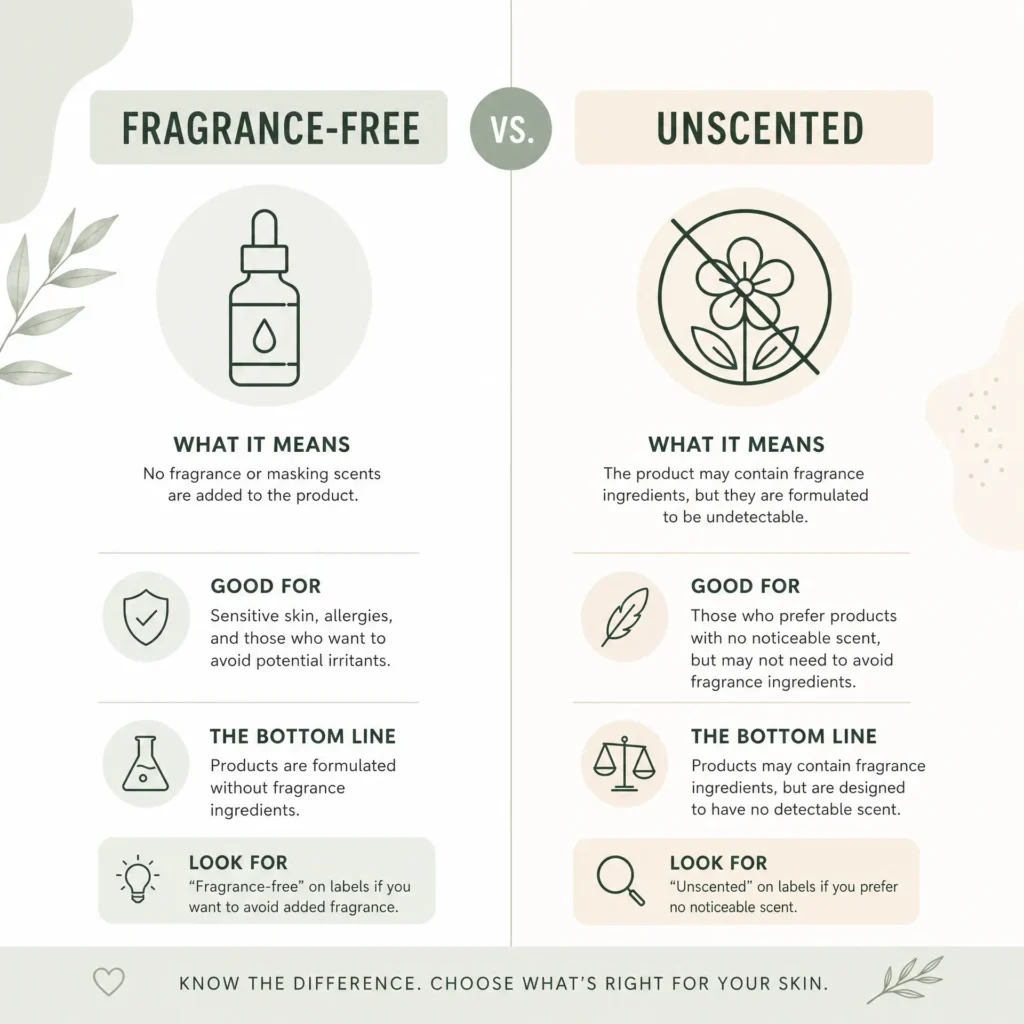
- Fragrance and essential oils — including “natural” ones like citrus, lavender, or tea tree oil. These are the number one cause of reactions I hear about from readers.
- Harsh, drying alcohols — denatured alcohol or SD alcohol, not to be confused with the safe fatty alcohols like cetyl or stearyl alcohol, which are actually fine.
- Menthol, camphor, and cooling agents — they feel nice for two seconds and then irritate the skin.
- High concentrations of exfoliating acids inside a moisturizer — a moisturizer’s job is to calm, not exfoliate. Keep those steps separate.
- Overly long, complicated ingredient lists in general — more ingredients simply means more chances for something to trigger a reaction.
How to Choose the Right Moisturizer for Your Skin
Once you know your ingredients, texture and formulation matter just as much.
Texture guide:
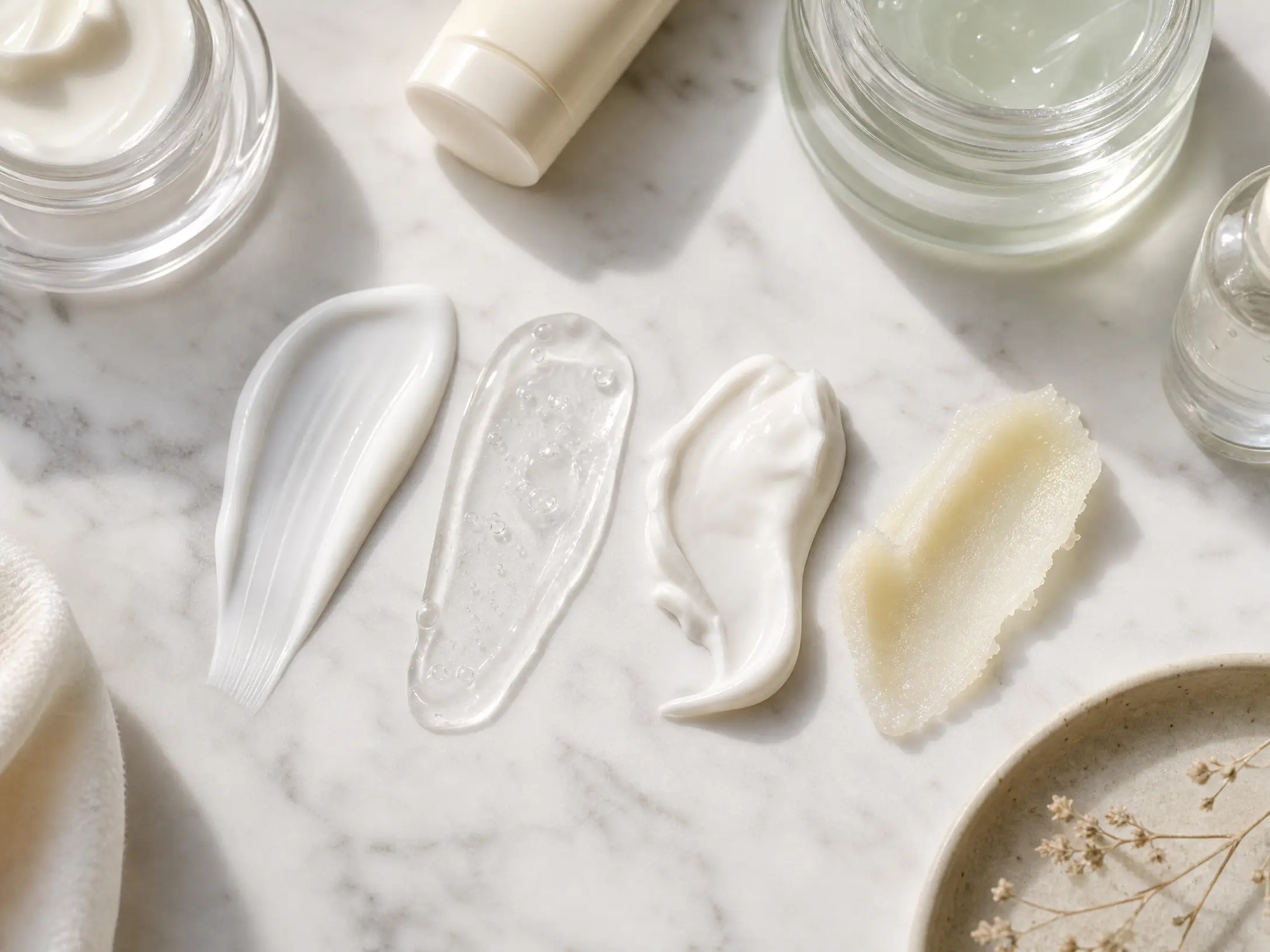
- Gel — best if your skin is oily-sensitive or you live somewhere humid like Mumbai or Chennai.
- Lotion — the safest everyday pick for combination-sensitive skin in most Indian cities.
- Cream — better for drier climates, AC-heavy offices, or the winter months in North India.
- Balm — reserve this for genuinely compromised, flaky, or eczema-prone skin.
A few other things worth knowing:
- pH matters more than people realize. Skin sits naturally around 4.5–5.5, and moisturizers formulated in that range support your barrier and your skin’s microbiome better than alkaline formulas.
- Fragrance-free” and “unscented” are not the same thing. Unscented products can still contain masking fragrances added to cover up a chemical smell. Fragrance-free means exactly what it says.
- Patch test even the “safe” labeled stuff. I’ve seen readers react to products that were marketed specifically for sensitive skin. Apply a small amount behind your ear or on your inner arm and wait 48 hours before using it on your face.
- Budget vs. premium — a higher price often buys you simpler formulation and more clinical testing, not necessarily “stronger” ingredients. Plenty of the budget picks on this list work just as well as the premium ones.
Application Tips & Layering Order
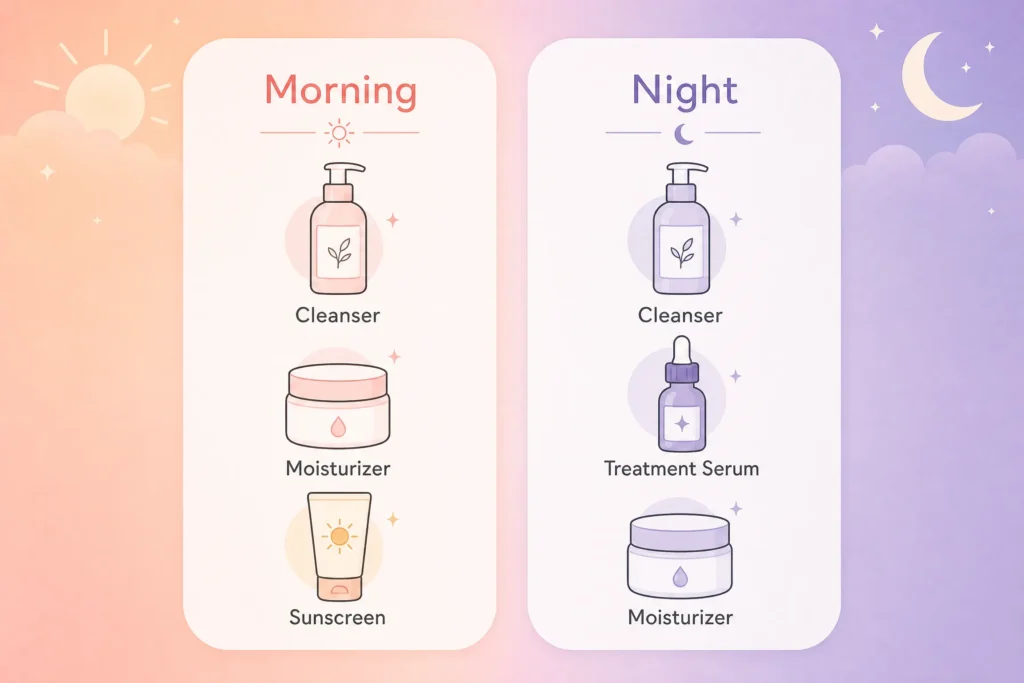
- Keep your routine minimal when your skin is reactive — cleanser, moisturizer, sunscreen is enough some weeks.
- Apply moisturizer on slightly damp skin and pat it in gently. Don’t rub.
- If you’re introducing a new moisturizer, use it alone for a week or two before adding anything else new, so you know exactly what caused a reaction if one shows up.
- In North Indian winters, switch to a richer cream. In humid coastal cities, a gel or lotion usually works better year-round.
- AM: light layer under sunscreen. PM: you can go slightly richer since your skin repairs itself overnight.
Read more: Morning vs Night Skincare Routine for Sensitive and Acne-Prone Skin (2026)
Possible Side Effects & Precautions
Even a well-formulated moisturizer can cause issues if it’s not right for your specific skin.
- Fragrance sensitivity — the most common cause of redness or stinging, even from “natural” fragrance sources.
- Over-moisturizing oily-sensitive skin — a texture that’s too heavy can lead to clogged pores or a constant greasy feel.
- Purging vs. reaction confusion — a genuine allergic reaction usually shows up as redness, itching, or swelling within minutes to hours, while purging (from actives like niacinamide) tends to appear as small bumps that improve over a few weeks. If you’re unsure which one you’re dealing with, it’s worth checking with a dermatologist rather than guessing.
- Preservative sensitivity — some sensitive skin types react to specific preservatives even in fragrance-free formulas, another reason patch testing matters.
- Product buildup under makeup — richer creams can sometimes pill or feel heavy under sunscreen and makeup if not given enough time to absorb.
The 12 Best Moisturizers for Sensitive Skin in 2026
A quick note before we dive in: prices below are approximate 2026 India pricing and can shift depending on the retailer and offers, so treat them as a ballpark rather than gospel.
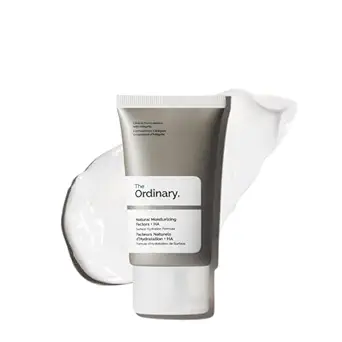
12 — The Ordinary Natural Moisturizing Factors + HA
Best For: Minimalist budget pick
Key Ingredients: Amino acids, fatty acids, cholesterol, and hyaluronic acid
Approx. Price (India): ₹700–900
Why It Works: This one is basically a copy of what your skin barrier is naturally made of — amino acids, lipids, and cholesterol in ratios that mimic your own skin. It’s about as close to “just give my skin what it’s missing” as you can get.
Texture & Finish: A slightly thick, semi-matte lotion. Not glowy, but it does the job.
Pros:
- Genuinely affordable for what it delivers
- Extremely short, minimal ingredient list — great for very reactive skin
- No fragrance
Cons:
- Feels a bit basic and clinical, not a “treat yourself” kind of product
- Not rich enough for very dry winter skin on its own
What Users & Dermatologists Say: This is consistently one of the most recommended “starter” moisturizers in dermatology-adjacent skincare communities, largely because of how few ingredients it contains — fewer ingredients means fewer chances of a reaction, which matters a lot for reactive skin.
Rating: 7.5/10 — Great as a safe, no-frills base, especially if you’re rebuilding a barrier from scratch.
11 — Cetaphil Moisturising Cream
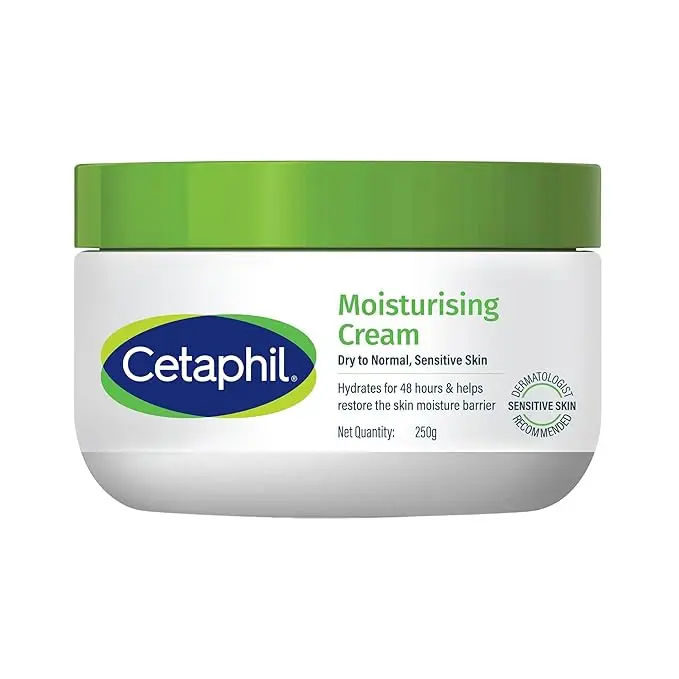
Best For: Classic drugstore pick
Key Ingredients: Glycerin, panthenol, niacinamide, sweet almond oil, vitamin E
Approx. Price (India): ₹550–750
Why It Works: Cetaphil has been a dermatologist go-to for decades for a reason — it’s rich without being heavy, and the glycerin-panthenol combo does a solid job of hydrating and soothing at the same time.
Texture & Finish: Thick, almost balm-like cream that sinks in slowly. Better for night use or very dry skin.
Pros:
- Widely available everywhere in India, from local chemists to Nykaa
- Reliable, unlikely to cause surprise reactions
- Great value for the jar size
Cons:
- Too heavy for oily-sensitive skin, especially in summer
- Contains benzyl alcohol, which is technically a mild fragrance allergen some ultra-sensitive users react to
What Users & Dermatologists Say: It’s one of the most commonly recommended “safe default” creams by dermatologists for patients with compromised or post-procedure skin, mostly because of its long track record.
Rating: 7.8/10 — A dependable classic, best saved for drier skin or colder months.
10 — COSRX Advanced Snail 92 All-in-One Cream
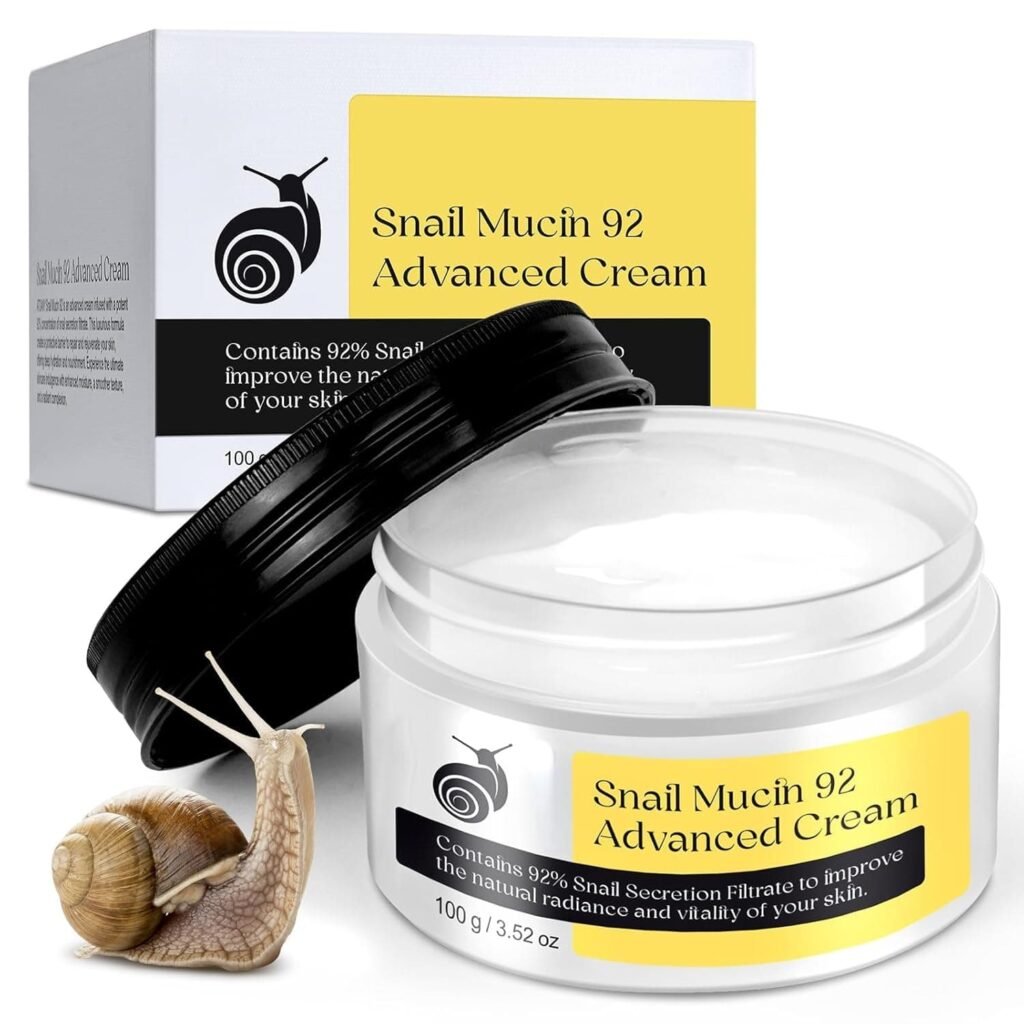
Best For: K-beauty trend pick / reactive, barrier-damaged skin
Key Ingredients: 92% snail secretion filtrate, hyaluronic acid, panthenol, allantoin
Approx. Price (India): ₹1,600–1,700 (100ml)
Why It Works: I was skeptical about snail mucin for years, but the research on it holding hydrating and barrier-supporting properties is genuinely decent. It’s become a cult favorite for irritated, over-exfoliated skin for good reason.
Texture & Finish: A gel-cream hybrid that feels light going on but leaves a slightly tacky “glass skin” finish for a few minutes before settling.
Pros:
- Now easily available in India through Tira, Nykaa, and a few dedicated K-beauty stores
- Genuinely soothing on inflamed, over-treated skin
- Lightweight enough for most climates
Cons:
- The tacky initial finish isn’t for everyone
- Pricier than most Indian-brand alternatives on this list
What Users & Dermatologists Say: It’s one of the most reviewed sensitive-skin moisturizers in the K-beauty space, with people consistently mentioning how it calms redness after using stronger actives like retinoids.
Rating: 8/10 — Worth the hype if your skin is currently recovering from irritation.
9 — Re’equil Ceramide & Hyaluronic Acid Moisturiser
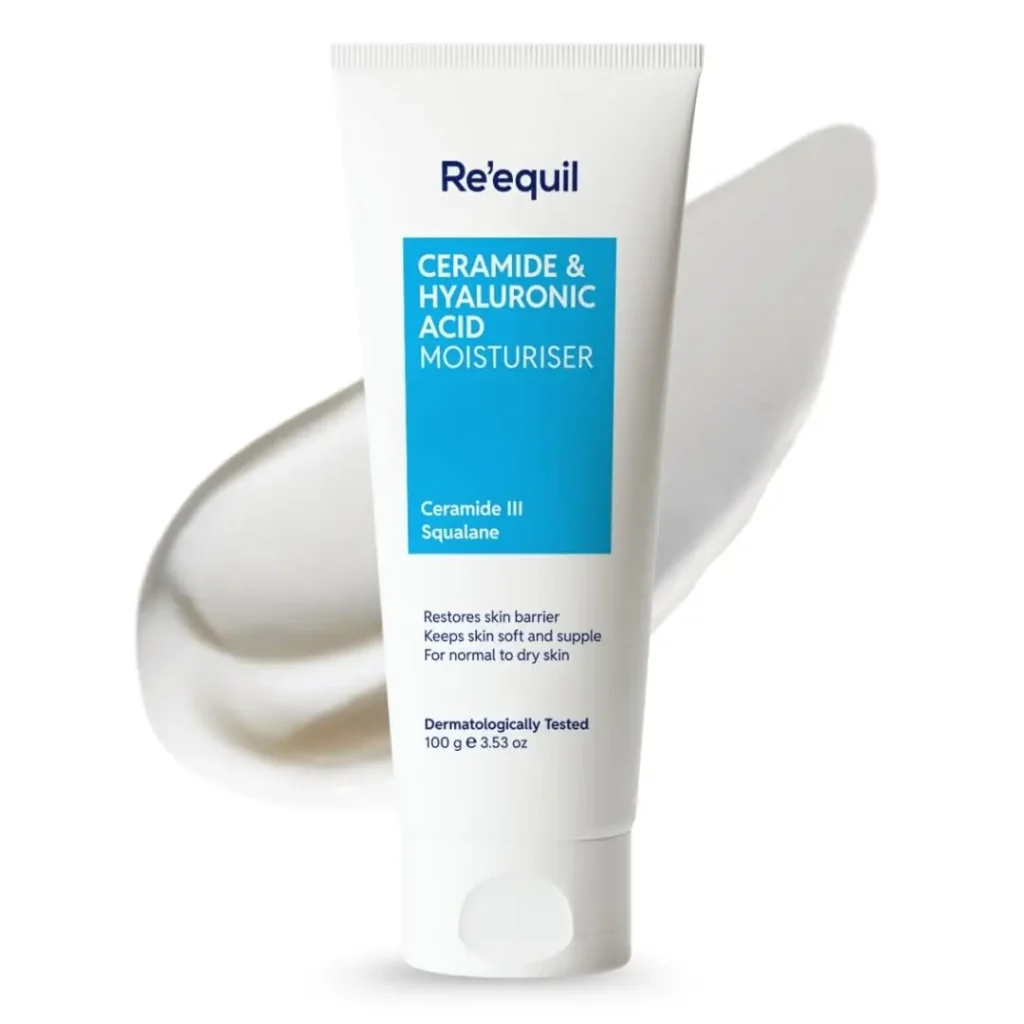
Best For: Barrier-compromised sensitive skin, Indian budget pick
Key Ingredients: Ceramides, hyaluronic acid, vitamin E
Approx. Price (India): ₹280–320
Why It Works: This is genuinely one of the most underrated Indian moisturizers I’ve come across. It ticks the ceramide-HA box that usually costs three times as much in imported brands, at a fraction of the price.
Texture & Finish: Light cream, absorbs quickly, no white cast, no greasy after-feel.
Pros:
- Extremely affordable for a ceramide-forward formula
- Widely available on 1mg, Amazon, and pharmacy chains
- Suitable for daily use, even under makeup
Cons:
- Smaller brand recognition, so fewer long-term reviews compared to international names
- Some batches carry a very faint fragrance note, so ultra-reactive users should patch test
What Users & Dermatologists Say: It’s frequently recommended by dermatologists in India as an affordable ceramide option, and most reviewers highlight how well it layers under sunscreen without pilling.
Rating: 8.2/10 — My personal pick for anyone in India who wants ceramide benefits without the imported price tag.
8 — Bioderma Atoderm Intensive Baume
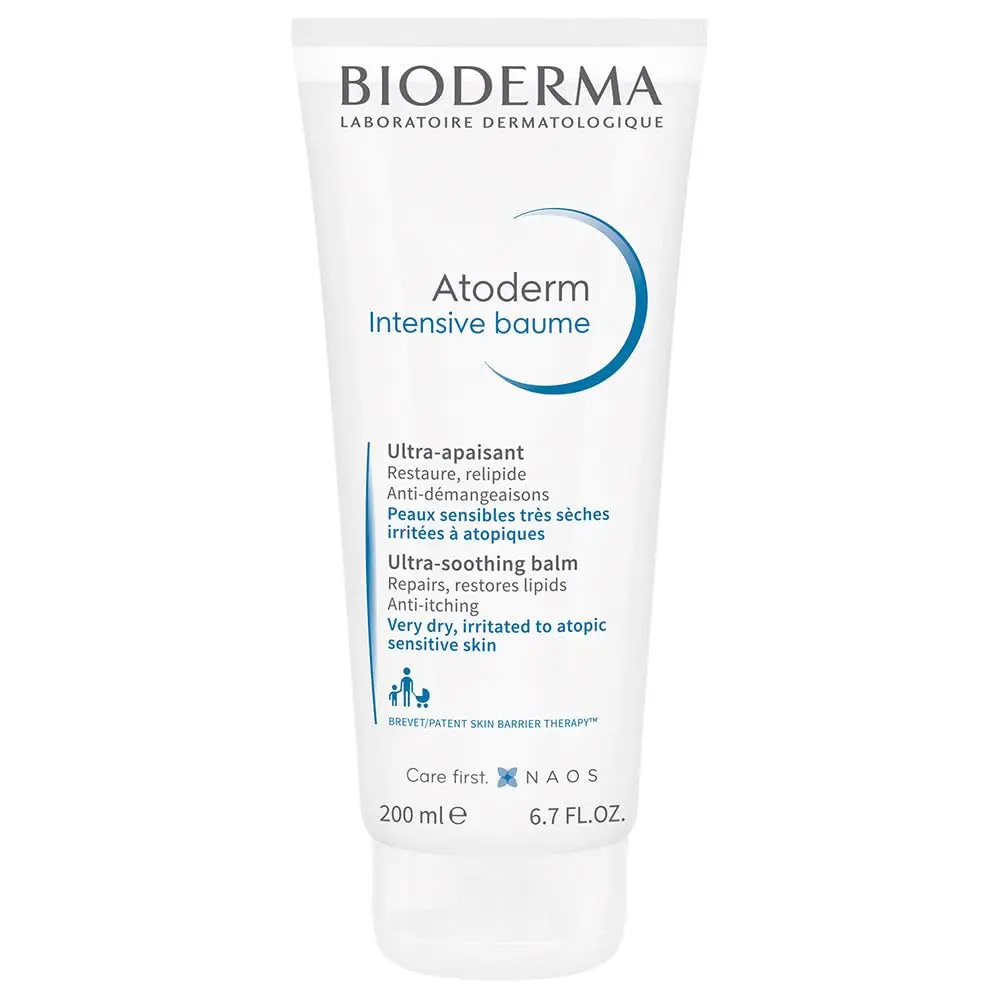
Best For: Severe dryness / eczema-prone skin
Key Ingredients: Lipigenium™ technology, glycerin, niacinamide
Approx. Price (India): ₹1,400–1,700
Why It Works: This is a proper repair balm, not a daily-light moisturizer. Bioderma’s Lipigenium complex is specifically designed to restore lipids in very compromised, eczema-adjacent skin.
Texture & Finish: Rich, balmy, takes a minute to sink in fully. Not for oily skin.
Pros:
- Backed by real clinical dermatology research
- Excellent for flare-ups, post-procedure skin, or harsh winters
- Fragrance-free formula
Cons:
- Too heavy for daytime use in humid cities
- On the pricier side for the jar size
What Users & Dermatologists Say: It’s commonly recommended in dermatology clinics for patients dealing with eczema or severely compromised skin barriers, largely due to its clinical backing.
Rating: 8.3/10 — Keep this one for genuine flare-ups rather than everyday use.
7 — SkinFix Barrier+ Triple Lipid Peptide Cream
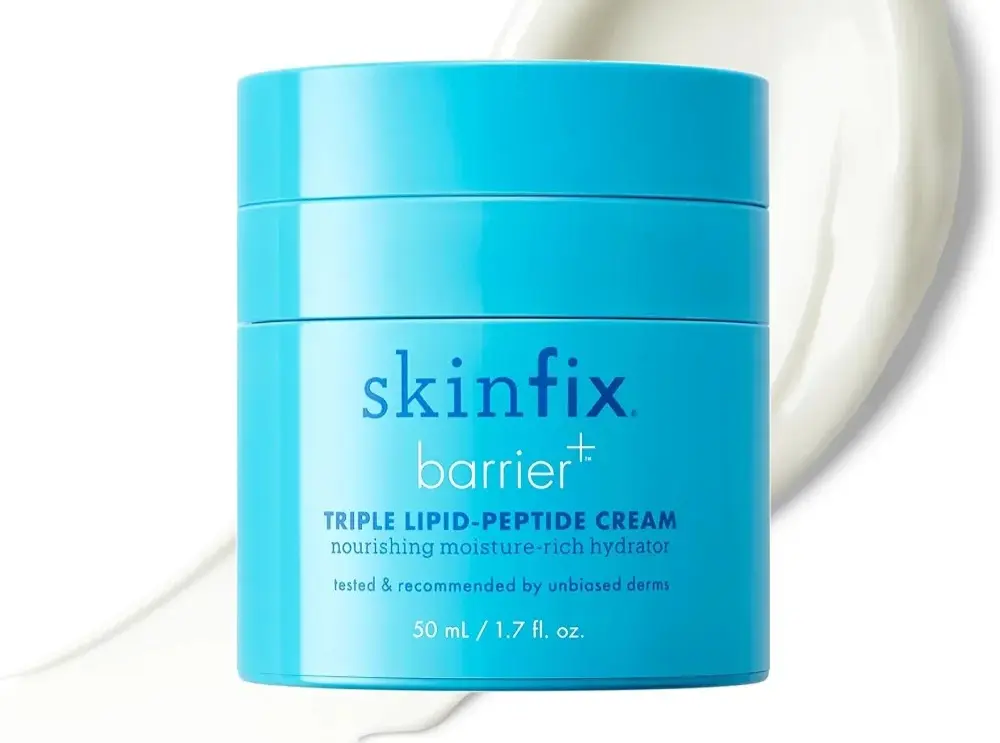
Best For: Premium / intense repair
Key Ingredients: Ceramides, cholesterol, fatty acids, peptides
Approx. Price (India): ₹3,500–4,000 (imported)
Why It Works: This formula is built around the exact 3:1:1 ratio of ceramides, cholesterol, and fatty acids that mirrors what your skin naturally produces — it’s one of the more science-driven “skin barrier” creams on the market.
Texture & Finish: Rich, cushiony cream that still absorbs reasonably well without feeling greasy.
Pros:
- Peptides add an anti-aging bonus alongside barrier repair
- Backed by strong before-and-after clinical data from the brand
- Fragrance-free
Cons:
- Imported, so pricing and availability in India can be inconsistent
- A splurge compared to most other picks on this list
What Users & Dermatologists Say: It’s frequently mentioned in skincare communities as a favorite for post-retinoid or post-procedure recovery because of how quickly it seems to calm visible irritation.
Rating: 8.5/10 — If your budget allows, this is one of the most effective barrier creams available right now.
6 — Minimalist 5% Marula Oil Moisturizer
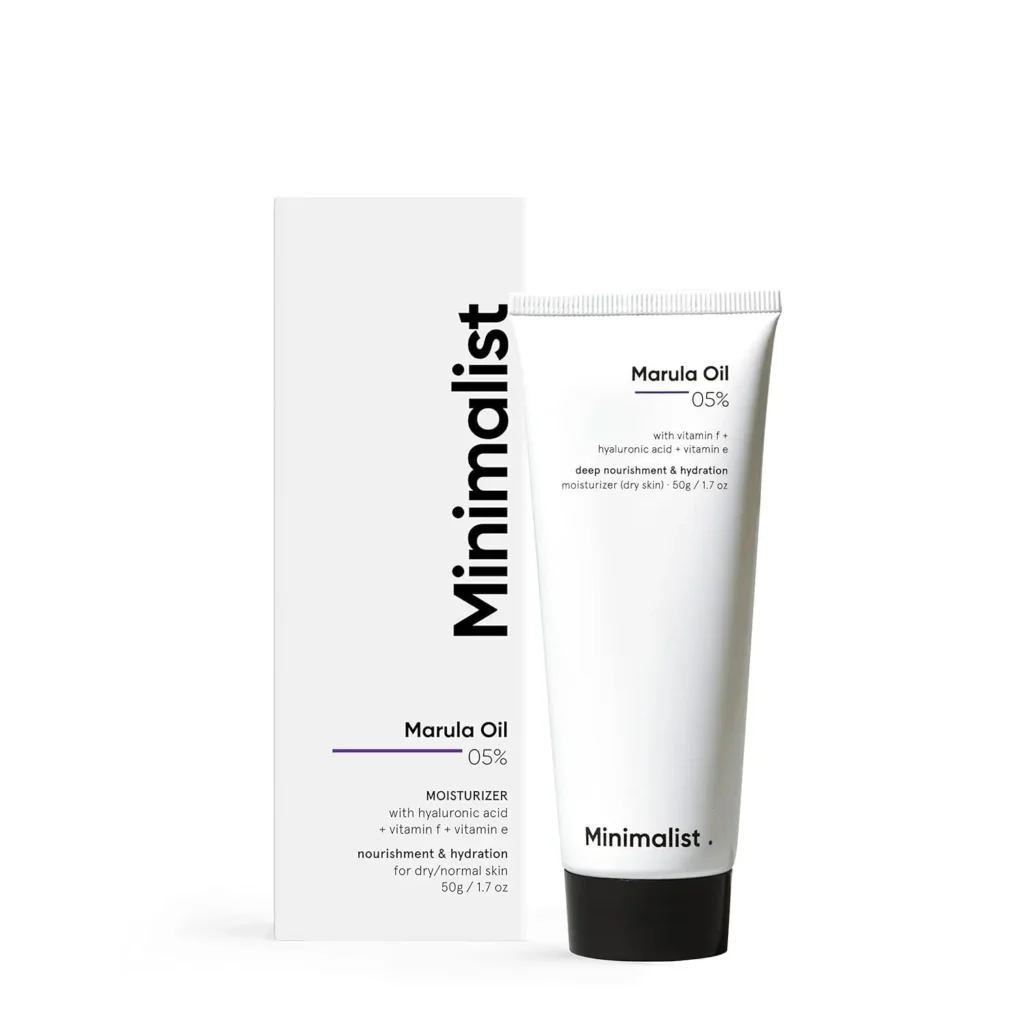
Best For: Budget-friendly (India)
Key Ingredients: Marula oil, essential fatty acids (“Vitamin F”)
Approx. Price (India): ₹450–550
Why It Works: Marula oil is rich in oleic and linoleic acid, which helps replenish the skin’s natural lipid layer without feeling heavy — a nice, gentle option if you prefer a more “clean” ingredient list.
Texture & Finish: Lightweight, slightly dewy finish.
Pros:
- Very affordable
- Simple, short ingredient list
- Good layering base under sunscreen
Cons:
- Less clinically “barrier-repair” focused compared to ceramide-forward options
- Not rich enough for very dry, flaky skin on its own
What Users & Dermatologists Say: It’s popular in the Indian clean-beauty space, with reviewers frequently mentioning how well it works as an everyday, no-fuss moisturizer for combination-sensitive skin.
Rating: 7.6/10 — A solid budget pick, especially for combination-sensitive skin.
5 — Aveeno Calm + Restore Oat Gel
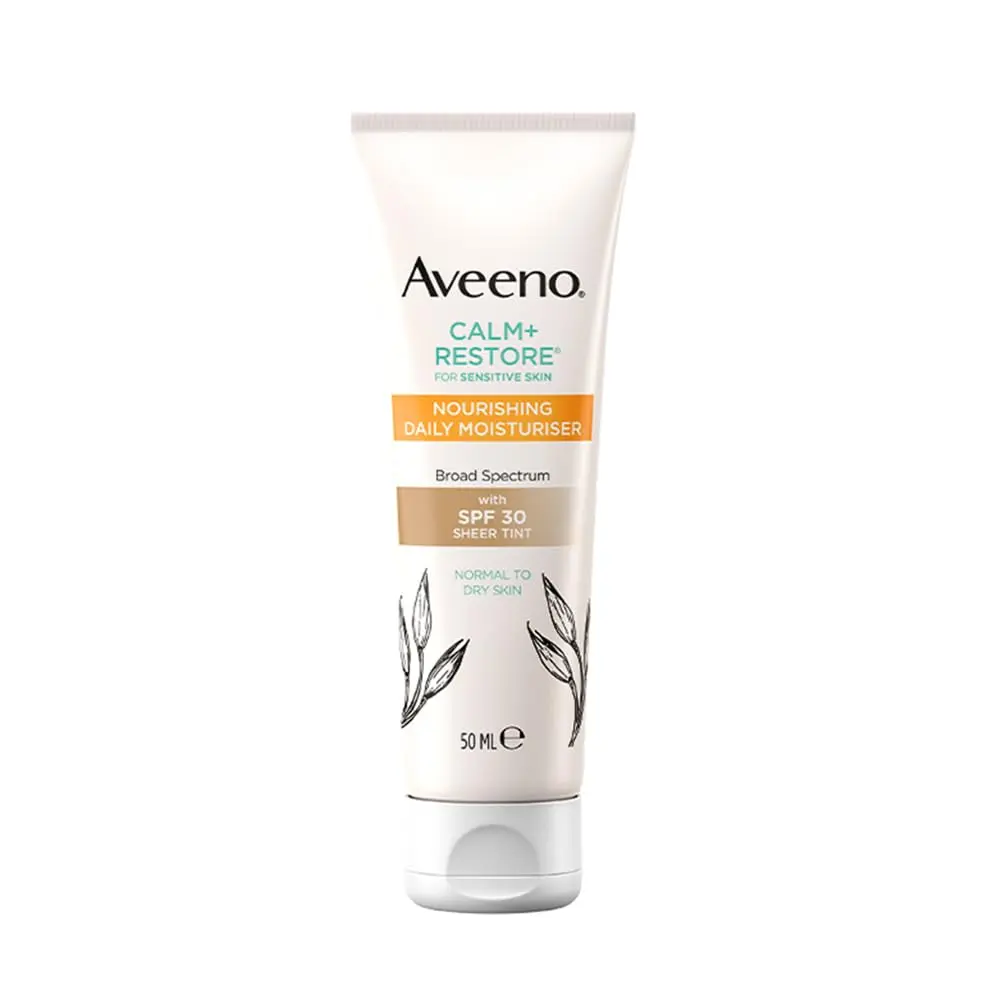
Best For: Oily-sensitive skin / summer heat
Key Ingredients: Prebiotic oat, feverfew
Approx. Price (India): ₹1,800–2,200 (imported)
Why It Works: Oat has been used in dermatology for decades for good reason — it’s genuinely calming and helps support the skin’s microbiome, which matters more than people realize for long-term sensitivity.
Texture & Finish: A true gel — bounces on the skin, absorbs fast, zero greasiness.
Pros:
- Great for Indian summers and humid cities
- Feverfew extract adds an extra anti-redness boost
- Lightweight enough to wear under makeup
Cons:
- Not officially sold in India yet, so you’re relying on import sellers
- Too light for dry winter skin on its own
What Users & Dermatologists Say: It’s a favorite among reviewers dealing with rosacea-adjacent redness, with many noting visible calming within days of consistent use.
Rating: 8/10 — One of the best gel options if you can get your hands on it.
4 — Dot & Key Barrier Repair Cream
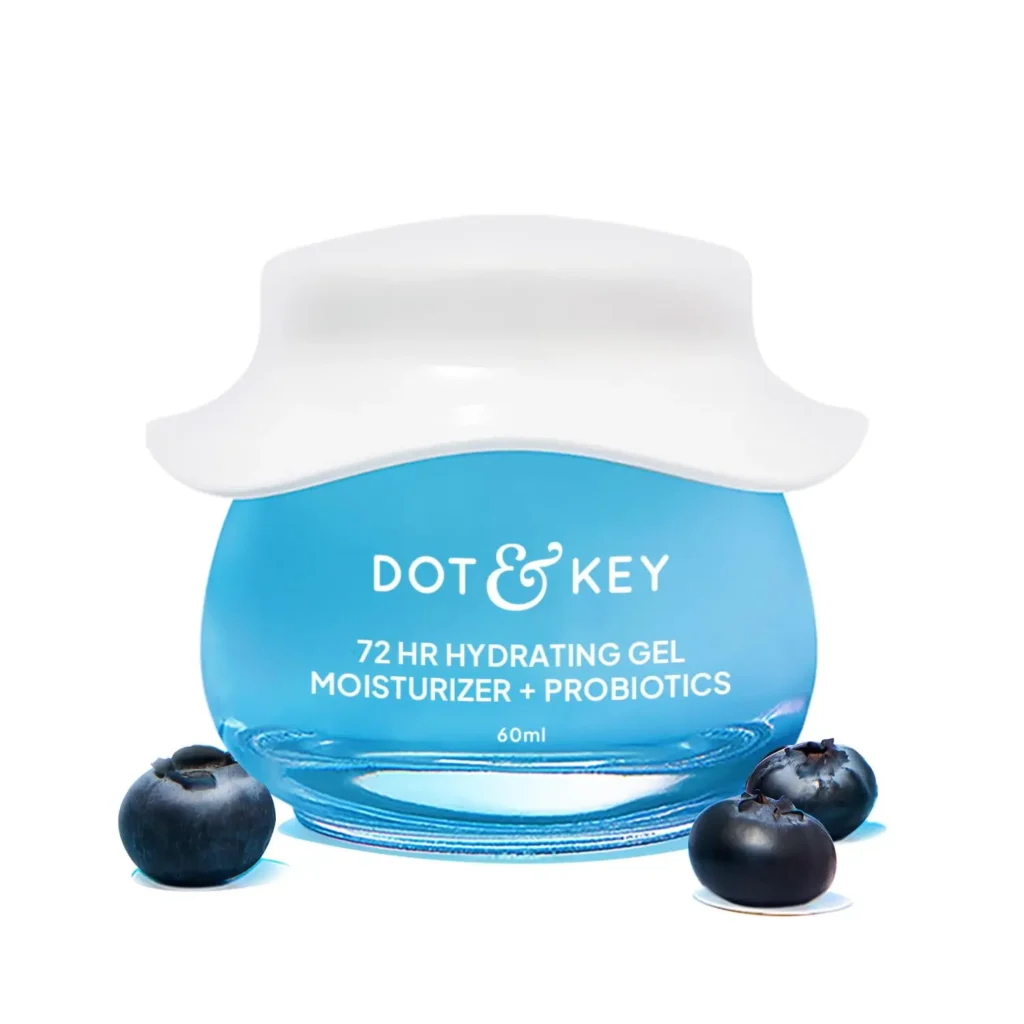
Best For: Best Indian brand pick (dry-sensitive skin)
Key Ingredients: 5 essential ceramides, probiotics
Approx. Price (India): ₹550–650
Why It Works: Dot & Key has genuinely stepped up its formulation game, and this cream combines a proper ceramide complex with probiotic-derived ingredients to support the skin’s microbiome, not just its surface hydration.
Texture & Finish: Medium-rich cream, absorbs well without pilling under sunscreen.
Pros:
- Strong ceramide complex at an accessible Indian price point
- Easily available on Nykaa and Amazon India
- Probiotic angle is a nice, genuinely useful 2026-relevant addition
Cons:
- Slightly heavier than ideal for very oily-sensitive skin in peak summer
- Packaging isn’t the most travel-friendly
What Users & Dermatologists Say: Reviewers consistently mention noticeable improvement in flaky, tight winter skin within a couple of weeks of regular use.
Rating: 8.4/10 — My top pick if you want a strong, India-made barrier cream without paying import prices.
3 — La Roche-Posay Toleriane Double Repair
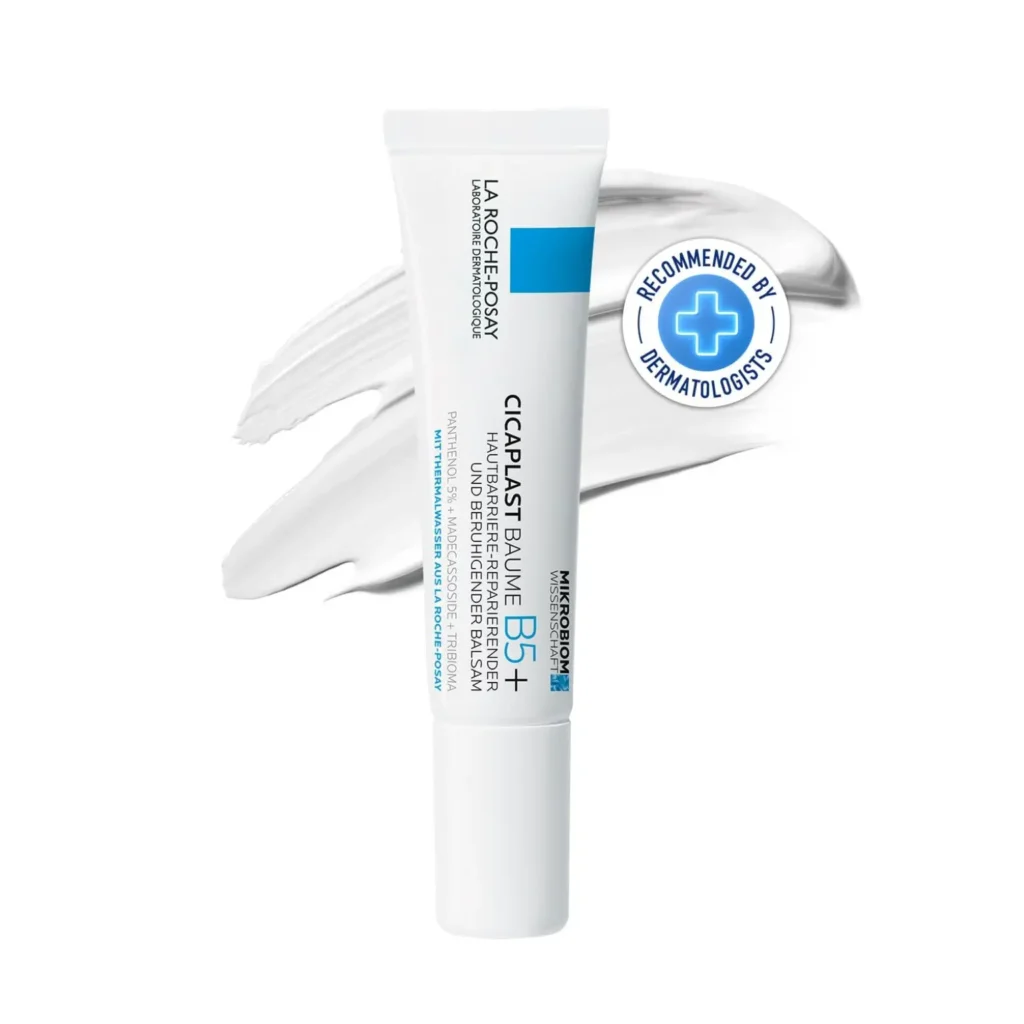
Best For: Barrier repair, mid-range
Key Ingredients: Prebiotic thermal water, ceramide-3, niacinamide
Approx. Price (India): ₹1,400–1,600
Why It Works: LRP’s thermal spring water has genuine microbiome-supporting research behind it, and combined with ceramide-3 and niacinamide, this cream hits both the “calm it down” and “rebuild the barrier” goals at once.
Texture & Finish: Dual-texture design — richer on top, gel-like underneath, so it feels lighter than it looks.
Pros:
- Backed by a genuinely strong dermatology brand with real clinical testing
- Works well across most skin types, including oily-sensitive
- Easily available in India through pharmacies and Nykaa
Cons:
- Mid-to-high price point compared to Indian brands
- Some users find the finish slightly tacky in very humid weather
What Users & Dermatologists Say: It’s one of the most frequently recommended moisturizers by dermatologists internationally for sensitive and reactive skin, largely due to LRP’s long clinical track record.
Rating: 8.7/10 — A dependable, well-tested mid-range pick that rarely disappoints.
2 — Vanicream Daily Facial Moisturizer
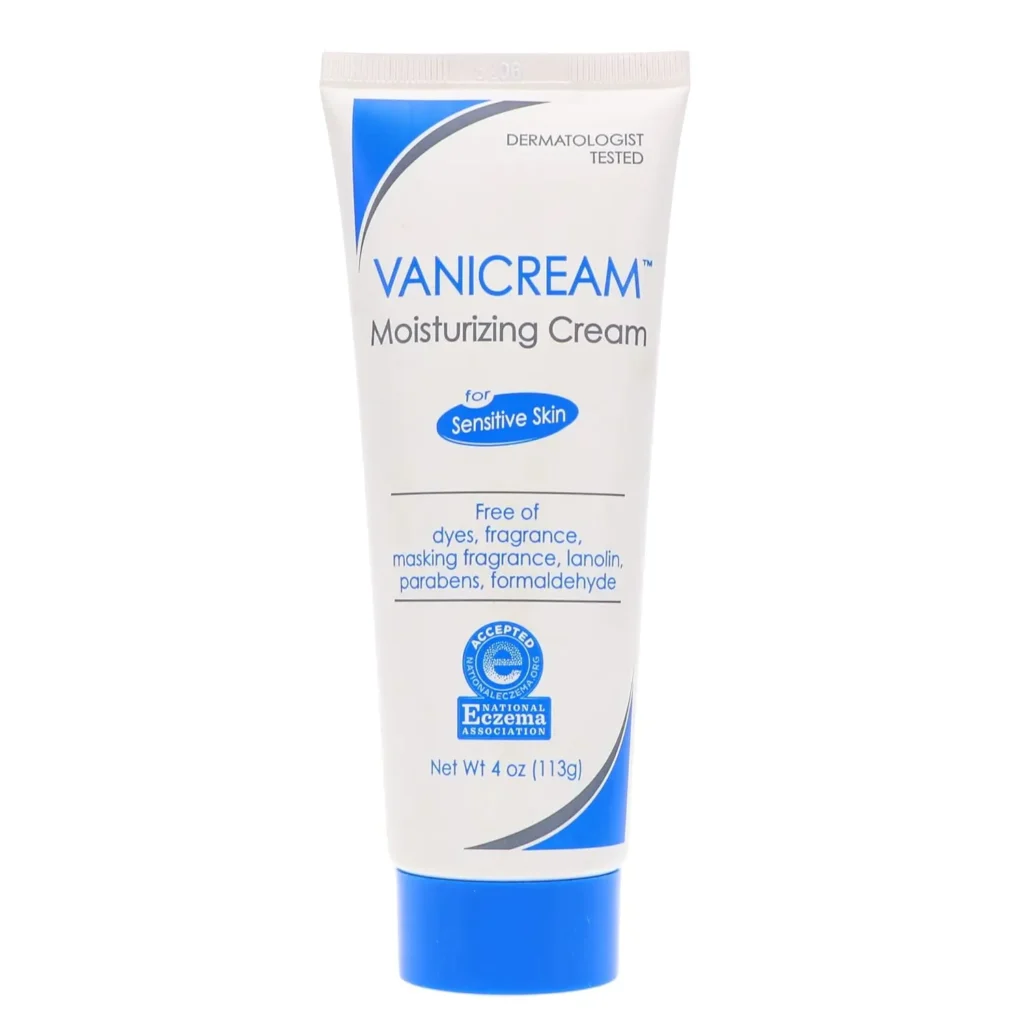
Best For: Ultra-sensitive / reactive skin
Key Ingredients: Squalane, hyaluronic acid, 5 key ceramides
Approx. Price (India): ₹1,800–2,200 (imported)
Why It Works: Vanicream is basically the gold standard among dermatologists for the most reactive skin types, because its formula is stripped down to only the ingredients that matter — no dyes, no fragrance, no botanical extracts that could trigger a reaction.
Texture & Finish: Lightweight lotion, sinks in fast, leaves a soft matte-ish finish.
Pros:
- About as low-risk as a moisturizer can get for extremely reactive skin
- Genuinely effective ceramide and squalane combination
- Non-comedogenic, works well under makeup
Cons:
- Not officially distributed in India, so you’re paying import markup
- Basic packaging, no fancy marketing to justify the price if that matters to you
What Users & Dermatologists Say: It’s a frequent recommendation from dermatologists for patients with eczema, rosacea, or extremely reaction-prone skin, largely because of how few ingredients could possibly go wrong.
Rating: 9/10 — If your skin reacts to almost everything, start here.
1 — CeraVe Daily Moisturizing Lotion
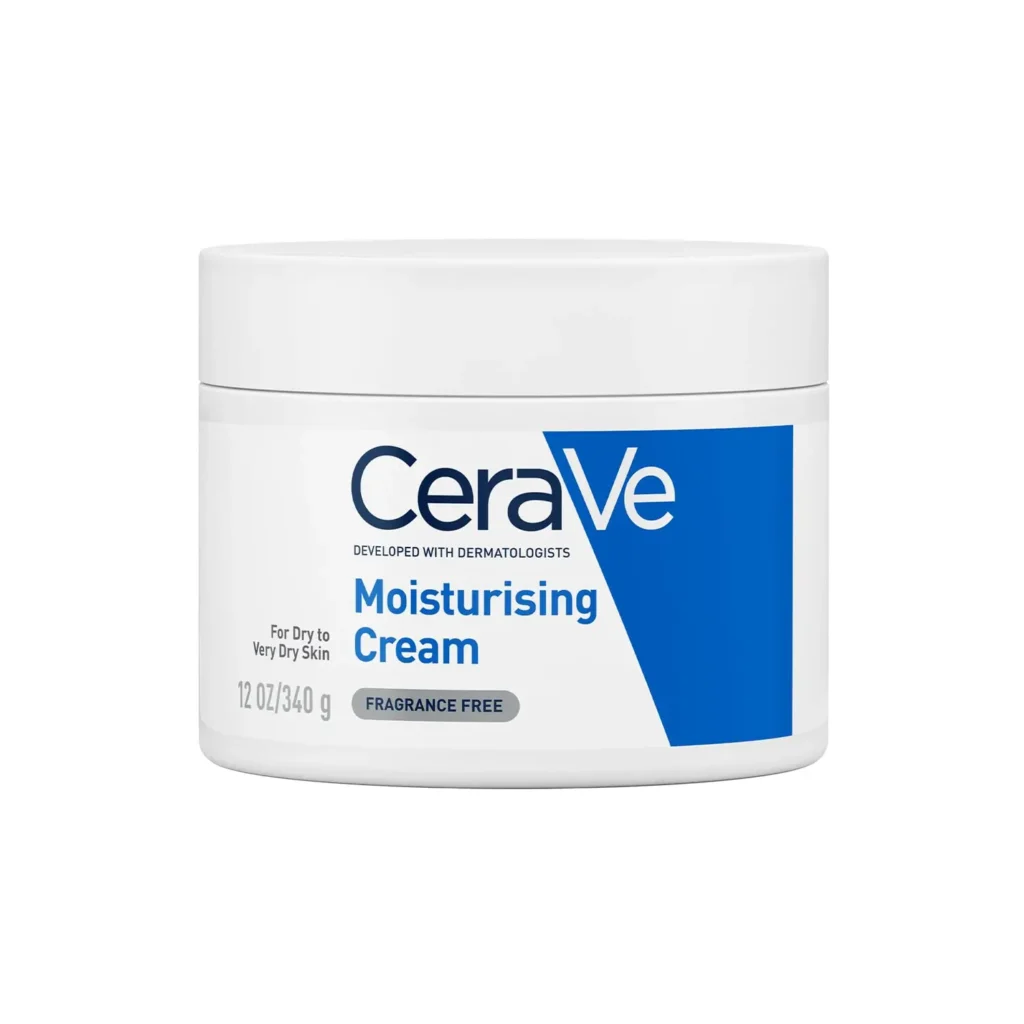
Best For: Overall best (all-rounder)
Key Ingredients: Ceramides NP, AP, EOP, hyaluronic acid
Approx. Price (India): ₹900–1,250
Why It Works: This tops the list because it genuinely does everything most sensitive skin needs — barrier-repairing ceramides, hydrating hyaluronic acid, MVE technology for slow-release moisture, and a fragrance-free, non-comedogenic formula that works across almost every skin type and Indian climate.
Texture & Finish: Lightweight lotion, absorbs quickly, no greasy residue, layers beautifully under sunscreen.
Pros:
- Widely available across India now on Nykaa, Amazon, and pharmacies
- Works for both oily-sensitive and dry-sensitive skin depending on layering
- Genuinely affordable for the ceramide content it delivers
- Huge, reliable track record of positive reviews
Cons:
- Some batches feel slightly different depending on where they’re manufactured
- Not rich enough on its own for very dry, cracked skin in peak winter
What Users & Dermatologists Say: It’s consistently one of the most dermatologist-recommended moisturizers worldwide, and Indian reviewers frequently mention it as the first “gentle” moisturizer that actually worked for their sensitive skin without any trial and error.
Rating: 9.2/10 — The safest, most well-rounded pick on this entire list, and a genuinely great place to start if you’re overwhelmed by choice.
Quick Comparison Table
| Rank | Product | Key Ingredients | Texture | Best For | Price Range (India) | Rating |
|---|---|---|---|---|---|---|
| #1 | CeraVe Daily Moisturizing Lotion | Ceramides + Hyaluronic Acid | Lotion | Overall Best (All-rounder) | ₹900–1,250 | 9.2/10 |
| #2 | Vanicream Daily Facial Moisturizer | Squalane + 5 Ceramides | Lotion | Ultra-Sensitive / Reactive Skin | ₹1,800–2,200 | 9/10 |
| #3 | La Roche-Posay Toleriane Double Repair | Prebiotic Thermal Water + Niacinamide | Gel-Cream | Barrier Repair (Mid-range) | ₹1,400–1,600 | 8.7/10 |
| #4 | Dot & Key Barrier Repair Cream | 5 Ceramides + Probiotics | Cream | Best Indian Brand (Dry-Sensitive) | ₹550–650 | 8.4/10 |
| #5 | Aveeno Calm + Restore Oat Gel | Prebiotic Oat + Feverfew | Gel | Oily-Sensitive / Summer Heat | ₹1,800–2,200 | 8/10 |
| #6 | Minimalist 5% Marula Oil Moisturizer | Marula Oil + Vitamin F | Lotion | Budget-friendly (India) | ₹450–550 | 7.6/10 |
| #7 | SkinFix Barrier+ Triple Lipid Peptide | Peptides + Lipid Complex | Rich Cream | Premium / Intense Repair | ₹3,500–4,000 | 8.5/10 |
| #8 | Bioderma Atoderm Intensive Baume | Lipigenium™ Technology | Balm | Severe Dryness / Eczema-prone | ₹1,400–1,700 | 8.3/10 |
| #9 | Re’equil Ceramide & Hyaluronic Acid Moisturiser | Ceramides + Hyaluronic Acid | Cream | Barrier-Compromised Sensitive Skin | ₹280–320 | 8.2/10 |
| #10 | COSRX Advanced Snail 92 All-in-One Cream | Snail Mucin + HA + Panthenol | Gel-Cream | K-Beauty Trend / Reactive Skin | ₹1,600–1,700 | 8/10 |
| #11 | Cetaphil Moisturising Cream | Sweet Almond Oil + Vitamin E + Niacinamide | Cream | Classic Drugstore Pick | ₹550–750 | 7.8/10 |
| #12 | The Ordinary Natural Moisturizing Factors | Amino Acids + Lipids | Lotion | Minimalist Budget Pick | ₹700–900 | 7.5/10 |
*Prices are approximate 2026 India estimates and may vary depending on retailer, pack size, and ongoing offers.
Additional Expert Advice
How to Incorporate Your Moisturizer Into a Routine
In the morning, keep it light and always follow with sunscreen — a mineral sunscreen tends to be better tolerated by reactive skin. At night, you can afford a slightly richer layer since your skin does most of its repair work while you sleep.
Common Mistakes People With Sensitive Skin Make
- Constantly switching products looking for “the one,” which never gives your skin time to actually stabilize.
- Over-cleansing or over-exfoliating, which sensitizes skin further even if the moisturizer itself is fine.
- Assuming “natural” automatically means gentle — plenty of natural ingredients, like essential oils, are actually common irritants.
- Applying moisturizer to bone-dry skin instead of slightly damp skin, which reduces how well it’s absorbed.
When to See a Dermatologist
If your skin is showing persistent redness, burning, or stinging that doesn’t calm down even after simplifying your routine, it’s worth getting it checked. The same goes for visible broken capillaries, persistent flushing, or small bumps, which can point toward rosacea.
And if you notice a reaction localized to exactly where you applied a specific product, that’s often a sign of allergic contact dermatitis worth discussing with a professional rather than self-diagnosing.
Building a Genuinely Low-Irritation Routine
Keep actives like exfoliants or vitamin C minimal, and introduce them one at a time, weeks apart. If you do use an active ingredient, cushion it with a barrier-supportive moisturizer before or after. And if your skin is currently in a reactive phase, give yourself a genuine 4–6 weeks of a “less is more” routine before adding anything new back in.
Key Takeaways
- Sensitive skin needs barrier support first — calming, hydrating ingredients matter more than trendy actives.
- 2026’s biggest shift is toward ceramides, microbiome-friendly formulas, and shorter, cleaner ingredient lists.
- Fragrance-free (not just “unscented”) and patch testing are non-negotiable steps, no matter how gentle a product claims to be.
- The right moisturizer depends on your specific triggers, your city’s climate, and how compromised your barrier currently is — there’s no single universal answer.
Conclusion
If there’s one thing I want you to take away from this, it’s that sensitive skin isn’t something you need to “fix” with a dozen products — it usually just needs consistency, patience, and formulas that actually respect your barrier instead of fighting it. Start simple, patch test everything, and give a product a genuine few weeks before deciding it’s not working.
I’d love to know what’s been triggering your skin lately — is it the AC dryness, the monsoon humidity, or a specific ingredient you’ve had to avoid? Drop it in the comments and I’ll try to point you toward something that’s worked for readers in a similar situation. And if you’re dealing with sensitive, acne-prone skin specifically, keep an eye out — I’m working on a dedicated post for that combination next.
Disclaimer
This article is for general informational purposes only and is not a substitute for professional medical or dermatological advice. Product prices, availability, and formulations may change over time — please verify current details before purchasing. If you have persistent skin concerns, allergies, or a diagnosed skin condition, please consult a qualified dermatologist before starting any new skincare product.
About the Author
Written by the SkinDeepGlow team, sharing practical, experience-based skincare guidance for Indian skin, climate, and everyday routines.
Frequently Asked Questions
Is a thicker moisturizer always better for sensitive skin?
Not necessarily. Thickness doesn’t equal effectiveness — a lightweight, well-formulated lotion can support your barrier just as well as a heavy cream, and it’s often more comfortable to wear in humid Indian weather.
Can I use a moisturizer meant for acne-prone skin if I have sensitive skin too?
Some overlap is fine, but many acne-focused moisturizers include ingredients like salicylic acid that can be too much for very reactive skin. Look for something labeled non-comedogenic and fragrance-free specifically, and patch test first.
How long should I try a new moisturizer before deciding it’s not working?
Give it at least two to three weeks of consistent use, unless you see an obvious negative reaction sooner, in which case stop immediately.
Do I need a separate night cream if I already use one of these moisturizers?
Not necessarily. Most of the picks on this list work for both day and night — just make sure to layer sunscreen on top during the day.
What’s the difference between sensitive skin and sensitized skin?
Sensitive skin is usually a natural, ongoing trait, while sensitized skin develops temporarily due to over-exfoliation, harsh products, pollution, or stress. Both benefit from the same gentle, barrier-focused approach, though sensitized skin often calms down once the underlying cause is removed.
Can diet or water quality affect sensitive skin in India?
Hard water and pollution exposure can contribute to dryness and irritation over time, though a good cleanser and barrier-repair moisturizer can help offset some of that daily stress on the skin.
Can men use the same sensitive skin moisturizers as women?
Yes. Skin barrier needs don’t differ by gender — the ingredients and textures on this list work for anyone with sensitive skin, regardless of whether a product is marketed toward men or women.